
Trust in a truck is not built through marketing claims. It is earned through years of consistent performance under load, in heat, on hills, and across long workdays. In Tennessee, trucks are not weekend accessories. They are tools used for construction, agriculture, hauling equipment, towing trailers, and navigating rural terrain alongside daily driving. Ford trucks have earned trust in this environment because their engineering decisions prioritize durability, system integration, and long term workload reliability.
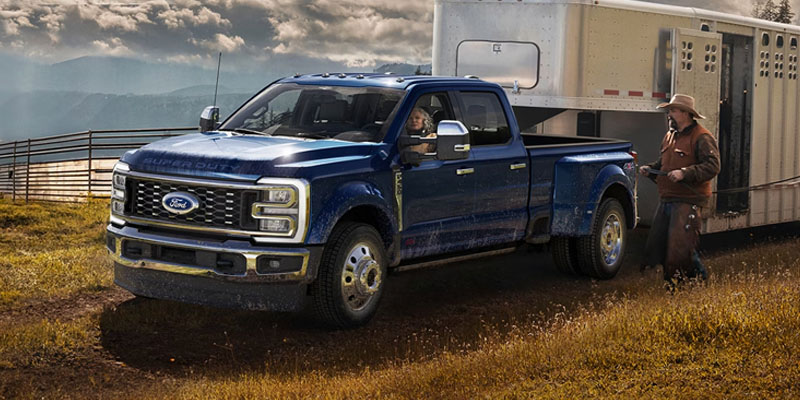
This trust is the result of how Ford builds trucks from the frame up, not just how they look on paper.
What Trust Means for Truck Buyers in Tennessee
For work focused buyers, trust is not an abstract idea. It is measured in practical outcomes:
- Engines that maintain output under sustained load
- Transmissions that manage heat and torque without premature wear
- Frames that resist flex when towing or hauling
- Cooling systems that perform in hot, humid conditions
- Braking systems that remain predictable with heavy trailers
- Consistent performance over high mileage ownership
Ford trucks are designed around these realities rather than peak numbers alone.
Ford Frame and Chassis Engineering
The foundation of truck reliability starts with the frame. Ford uses high strength steel frames across its truck lineup, engineered to balance rigidity and controlled flex.
Key structural advantages include:
- Fully boxed frame sections in high stress areas
- Reinforced crossmembers for towing stability
- Load optimized frame geometry to reduce fatigue over time
- Suspension mounting points designed to distribute stress evenly
This matters in Tennessee where uneven terrain, job site access roads, and repeated towing cycles place constant stress on the chassis. A rigid but intelligently engineered frame improves durability and preserves alignment and suspension integrity over long term use.
Powertrain Design Built for Real Workloads
Ford truck engines are engineered around specific duty cycles rather than generalized performance.
Key powertrain considerations include:
- Broad torque curves that deliver usable pulling power at low and mid rpm
- Engine cooling systems designed to maintain temperature under sustained load
- Oil and lubrication pathways optimized for towing and hauling conditions
- Engine options matched to different workload demands
Rather than relying on a single engine solution, Ford offers multiple powertrain configurations so buyers can match capability to actual use. This reduces strain, improves longevity, and prevents overworking undersized engines.
Transmission Durability Under Load
Transmission reliability is a major factor in long term truck trust. Ford truck transmissions are tuned to manage torque delivery smoothly and consistently.
Key transmission reliability factors include:
- Gear spacing designed to reduce hunting while towing
- Torque converter tuning that limits excessive heat buildup
- Transmission cooling systems integrated into towing packages
- Shift logic calibrated for load awareness
In hilly Tennessee terrain, these design choices prevent excessive heat and wear during towing and stop and go work driving.
Towing Performance Is a System, Not a Number
Towing trust is not just about maximum ratings. It is about how the entire vehicle manages the load.
Ford towing systems are engineered holistically:
- Frame strength supports trailer weight and tongue load
- Axles and differentials are selected for sustained torque demands
- Cooling systems manage engine and transmission heat under load
- Brake systems are sized for trailer assisted stopping
- Stability systems help control sway and directional movement
This integrated approach is why Ford trucks maintain stable towing performance in real world conditions rather than only under ideal scenarios.
Reliability Comes From Predictable Behavior
One reason Ford trucks are trusted by contractors and fleet operators is predictability. A truck that behaves consistently under load reduces driver fatigue and mechanical stress.
Predictable systems include:
- Throttle response tuned for smooth torque delivery
- Braking systems calibrated for progressive stopping
- Suspension designed to remain stable under varying payloads
- Steering systems that maintain feedback while towing
These factors are especially important for long workdays and repeated towing cycles common in Tennessee industries.
Fleet Use as a Reliability Indicator
Fleet adoption is one of the strongest indicators of real world reliability. Fleet buyers prioritize uptime, maintenance predictability, and long service life.
Ford trucks are widely adopted in fleet use because:
- Powertrains are engineered for high mileage durability
- Maintenance intervals are designed around work use
- Parts availability and service networks support long term ownership
- Systems are designed to be serviceable, not just powerful
This same engineering benefits individual buyers who rely on their trucks for daily work.
Tennessee Specific Driving Demands
Tennessee truck use involves unique challenges:
- Heat and humidity increase cooling system demands
- Hilly terrain stresses powertrains and brakes
- Towing equipment and trailers is common
- Rural roads and job sites require suspension durability
Ford truck engineering addresses these demands through cooling capacity, drivetrain strength, and structural design that supports repeated heavy use without rapid degradation.
Why Trust Persists Across Generations
Trust in Ford trucks continues because the brand consistently prioritizes function over trend. While features evolve, the core engineering focus remains centered on:
- Long term durability
- System level integration
- Work oriented performance
- Predictable ownership experience
This consistency is why Ford trucks remain the most trusted choice for Tennessee drivers who depend on their vehicles for more than transportation.
Final Ownership Perspective
Ford trucks earn trust by doing what matters every day, not by chasing short term metrics. Their reliability is built through structural integrity, powertrain durability, towing system integration, and predictable performance under real workloads. For Tennessee drivers who demand trucks that show up consistently, handle stress intelligently, and remain dependable over time, Ford’s engineering approach continues to justify its reputation.
Connect with us


