
Choosing between a Ford truck and a Ford SUV often sounds simple until shoppers start comparing what they actually need from the vehicle each day. Some drivers want towing strength, bed utility, and higher payload capability. Others need protected cargo space, flexible seating, and easier family use. The real decision is less about body style and more about how the vehicle’s design supports your routine. A Ford truck and a Ford SUV solve different ownership problems, and understanding how their systems work can make the choice much clearer. For many shoppers, the best fit comes down to cargo type, towing frequency, weather conditions, passenger needs, and how much daily driving matters compared with weekend capability.
How Ford Truck Payload and Ford SUV Cargo Space Solve Different Problems
Many shoppers comparing a Ford truck vs SUV want to know whether payload and bed access matter more than enclosed cargo space. The answer starts with understanding what each layout is designed to carry.
Payload is the total weight a vehicle can carry, including passengers, gear, and anything loaded into the bed or cabin. A Ford Maverick payload capacity, Ford Ranger payload capacity, or Ford F-150 payload setup is built around carrying heavy or messy items that may not fit well inside an enclosed cabin. That matters for drivers hauling mulch, lumber, tools, motorcycles, or landscaping equipment.
A Ford SUV cargo space layout works differently. Models such as the Ford Explorer cargo area, Ford Expedition cargo space, and Ford Bronco Sport cargo area are designed to store gear inside the vehicle. That protects luggage, groceries, sports equipment, and weather-sensitive items from rain, theft, and road dirt.
Shoppers deciding between these two layouts should think about what they carry most often:
- Open bed utility is better for dirty, oversized, or irregular cargo
- Enclosed SUV storage is better for family gear, shopping, pets, and travel bags
- A Ford truck bed is easier to load bulky items into
- A Ford SUV cabin is often easier to secure and organize for daily errands
This is one of the biggest reasons a Ford truck vs SUV decision should be based on ownership habits, not just styling preference.
When Ford Truck Towing Capability Matters More Than Ford SUV Flexibility
Drivers also ask whether a Ford truck or Ford SUV is the better towing choice for campers, boats, and utility trailers. The answer depends on how often you tow and what else the vehicle needs to do.
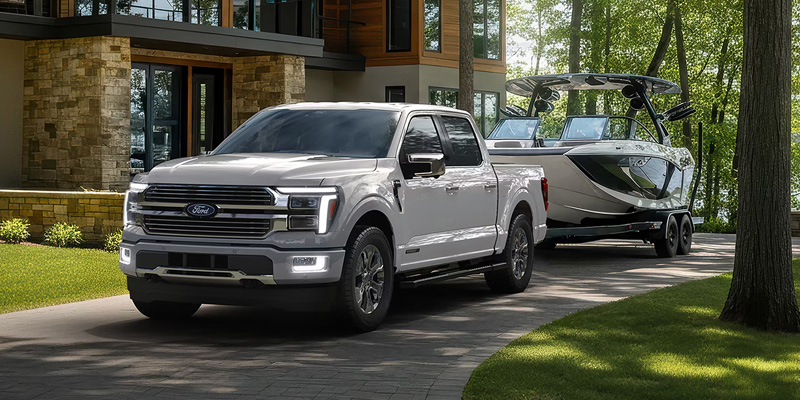
A Ford F-150 towing setup or Ford Ranger towing capacity is built around repeated trailer work. Trucks are engineered with towing as a primary use case, which affects chassis strength, suspension tuning, bed utility, and available towing technology. If towing is part of your work routine or a frequent recreational need, a truck usually gives you a better overall ownership fit.
A Ford Explorer towing capacity or Ford Expedition towing capacity can still be a strong match for drivers who tow occasionally but need seating, interior comfort, and family flexibility the rest of the time. This is where many shoppers get stuck. A Ford SUV may tow enough for a smaller camper or boat while still offering an enclosed cabin, easier passenger access, and more comfortable long-distance family travel.
What shoppers should evaluate here includes:
- How often the trailer will actually be used
- Whether the vehicle also needs to carry several passengers regularly
- Whether cargo is better stored in a truck bed or behind enclosed seats
- Whether towing is occasional convenience or a repeated workload
A truck is often the smarter fit when towing is central to the lifestyle. An SUV is often the smarter fit when towing is only one part of a broader family-use pattern.
How Ford AWD, 4WD, and Drive Modes Change the Decision
Another common question is whether Ford AWD or Ford 4WD makes more sense for snow, dirt roads, and weekend travel. This is an important difference because these systems are designed for different kinds of traction demands.
All wheel drive is a traction system that can distribute power to multiple wheels to improve grip when road conditions become slippery. In many Ford SUVs, AWD is designed to improve confidence in rain, light snow, and mixed pavement conditions. That makes a Ford Explorer AWD system or Ford Bronco Sport traction system attractive for commuters and families who want added stability without moving into a more specialized truck setup.
A more truck-oriented Ford 4WD system is typically better aligned with towing, loose surfaces, work sites, and more demanding off-road conditions. A Ford Ranger drive mode system or Ford F-150 4WD setup is useful when the vehicle needs to handle mud, deeper snow, rocky terrain, or trailer-related traction demands.
This part of the decision matters because lifestyle use is rarely identical. A driver dealing mostly with pavement, weather changes, and family travel may benefit more from a Ford SUV traction setup. A driver who regularly pulls equipment onto job sites or travels over rougher surfaces may need a Ford truck traction system instead.
Why Daily Driving Habits Often Decide Ford Truck vs SUV Ownership
Shoppers undecided between a Ford Maverick, Ford Ranger, Ford Explorer, or Ford Expedition often focus first on capability numbers. In real ownership, daily driving behavior usually has just as much influence on satisfaction.
Vehicle size changes parking effort, visibility, turning behavior, and how easy the vehicle feels in traffic. A Ford SUV often makes more sense for drivers dealing with school pickup lines, parking garages, city streets, and frequent passenger use. Interior access is simpler, cargo is protected, and the driving experience may feel easier to manage if heavy hauling is not part of the routine.
A Ford truck makes more sense when daily life includes materials, equipment, dirty gear, or repeated trailer use. Even when a truck is larger, the bed design may save time and reduce frustration for owners who constantly load and unload bulky items.
This is why the best question is not whether trucks are more capable or SUVs are more comfortable. The better question is which design removes the most friction from your actual week.
How the Ford Maverick Blurs the Line Between Truck Utility and SUV Practicality
The Ford Maverick has made this comparison more interesting because it does not fit the old assumption that trucks are always large and inefficient. Many shoppers researching Ford Maverick towing capacity and Ford Maverick payload capacity are really asking whether a compact truck can offer enough utility without the everyday tradeoffs of a full-size pickup.
That is where the Maverick changes the conversation. It offers bed access and useful truck capability in a size that may feel easier to live with for daily commuting. For shoppers who want occasional hauling ability, lighter towing, and more manageable dimensions, the Maverick can serve as a middle ground between a traditional truck and a family SUV.
This matters for buyers who need:
- Better utility than a typical enclosed cargo area
- Easier daily driving than a larger pickup
- Flexible capability for home projects and outdoor hobbies
- A practical vehicle that does not force a full-size truck commitment
Which Ford Fits Your Lifestyle Best
The right answer in a Ford truck vs SUV comparison depends on what the vehicle needs to do most often. A Ford truck is usually the better fit when payload, bed access, repeated towing, and heavy-duty utility define ownership. A Ford SUV is usually the better fit when passenger comfort, enclosed cargo space, daily drivability, and family flexibility matter more.
For some shoppers, the answer is clearly a Ford F-150, Ford Ranger, or Ford Maverick. For others, a Ford Explorer, Ford Expedition, or Ford Bronco Sport will better support everyday life. The best choice comes from matching the vehicle’s engineering strengths to the way you actually drive, carry, tow, and travel.
Connect with us


Recent Blog Entries
- How to Connect Ford SYNC: Apple CarPlay Setup Guide
- Ford SUV for Daily Driving: Matching Rugged to Real Life
- Ford Trucks for Drivers Who Like VelociRaptor, Shelby, and Baja-Style Capability
- Ford Truck vs SUV: Which Fits Your Lifestyle?
- Best Ford SUVs for Growing Families Space Safety and Everyday Usability