
Blog / Tips & Tricks

Blog

All Tips & Tricks Morrison Culture Morrison, TN Ford Dealer Reddick Brown Ford Ford SUVs Ford Trucks TN Culture Ford Cars Morrison, TN Ford Service Morrison Travel Morrison, TN Used Cars Good Eats Ford Dealership Morrison, TN Reddick Brown Ford Service 2026 Bronco® vs Bronco Sport® B&O® 10-speaker audio system KBB Vehicle Value Large 13.2-inch touchscreen
Person on Side of Road Looking at Engine

6 Signs Your Car's Transmission Needs Attention

Your car's transmission is one of its most essential parts. It's the geared component attached to your automatic or manual shifter. If it fails, your car will not operate, so you should keep an eye out for warning signs that it needs attention. Covering cheaper repair costs is always better than having to replace the entire transmission, but if the possible problems aren't caught early, the latter is more likely. Check Engine Light Is On It may seem obvious, but far too many car owners ignore their check engine light when it comes on. If your onboard computer indicates there's an engine-related problem, there almost certainly is one. Otherwise, the engine light coming on means there's a problem with your onboard computer. When the check engine light turns on, it's a sign that you need to get your vehicle to a certified shop as soon as possible. more Transmission Fluid Is Leaking Your transmission's fluid is red and has a sweet smell. Old transmission fluid has a burnt smell and tends to be darker. A leak could indicate anything from a seal defect to a crack in the body of the transmission itself. If you notice red fluid on the ground around your vehicle, have the transmission checked for leaks immediately to avoid further problems. Abnormal Sounds Are Detected If your engine makes a sound like a revved-up motorcycle, it's likely your transmission filter or pump is having issues. Automatic transmissions tend to grind hard as they fail, with humming and whining sounds being common before the damage gets to that point. Manual transmission issues are easier to detect, as the feel of each shift will be noticeably different from the norm. Clutch Is Dragging Manual transmissions experiencing clutch drag are failing to disengage the disk from the flywheel. The malfunctioning clutch, in this case, will continue to spin with the engine, so the gears can't shift. Thankfully, the repairs for this problem aren't that expensive or difficult to handle, so don't be overly alarmed if it happens. Car Isn't Responding Your car's transmission is meant to hit the proper gear without fail. If it won't shift at all, your transmission is probably in serious trouble. Automatic transmissions have the hardest time going from park to drive and back and may move to these gears more sluggishly before they finally lock up. If you notice a slow response, get yours checked before there's no response at all. Temperature Meter Indicates Overheating Low transmission fluid levels and other issues can cause extreme overheating, causing catastrophic transmission failure. Transmissions are not capable of handling serious heat for extended periods of time. If you see your car's temperature meter rise too high, get it checked out immediately. A new transmission costs between $1,800 and $3,400 on average within the United States according to Transmission Repair Cost Guide and their research from 2020. Check for these signs of transmission failure regularly, and you may end up saving yourself a stack of cash. Be sure to head to your local  dealership for regular vehicle checkups. The expertly trained professionals here at Reddick Brown Ford will notice a transmission issue earlier and be able to have you back out on the road in no time! Image via pexels.com

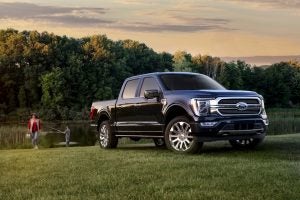
Blue 2021 Ford F-150 in Front of Lake with People Fishing

7 Tips to Care for Your Ford All Summer Long

As we emerge into the spring after a long hard winter, we can look forward to the hot and long days of summer. But the winter weather will have been hard on your car. After enduring cold temperatures, bad weather, and salt and grime from the road, your car will benefit from some basic maintenance. Here are seven spring and summer car-care tips. 1. Check Your Fluids The spring is a great time to schedule an oil and filter change to get rid of all the impurities they will have picked up in the winter. Check the fluids for the power steering, brakes, and transmission, and have them topped up as necessary. In warmer weather, overheating is the most common cause of breakdowns. Make sure your cooling system is topped up and has the correct mix of water and coolant. If your vehicle is due for service, have the cooling system flushed and refilled. more 2. Test Your Battery Low temperatures are hard on your car's battery, and months of cold starts and running the lights, wipers, and heating constantly will have taken their toll. Have your battery tested at your local service center, and replace it if it's showing its age. Replacing it before it's too late will help you avoid the inconvenience of a car that won't start. 3. Have Your Brakes Checked Brake wear is a gradual process, and you might not notice when brake performance deteriorates. Have a technician check the pads, discs, and calipers for wear. If you hear odd noises or notice pulsations or a soft feel to the pedal, there's definitely a problem. 4. Check and Rotate Your Tires Extreme high and low temperatures can affect your tires' performance. Even if you have a tire pressure monitoring system, you should check them manually at least once a month. Check the tire treads and sidewalls for wear or damage. Be sure to keep to your tire rotation schedule to ensure even wear and help extend the life of your tires. 5. Change Your Wiper Blades Your windshield wipers also work hard in the winter, especially if you've endured snow and ice. If they're smearing or scraping across the windshield, it's time to replace them. You also want to make sure that your washer fluid is topped up and at the right strength for clearing the bugs from your windshield in the summer. 6. Clean Your Lights When you wash your car, give your headlight and taillight lenses a thorough clean. Use baking soda, water, and a soft toothbrush to polish hazy headlights and make them shine bright. Check all the light bulbs and change any that have blown. Don't forget the brake lights and reverse lights. 7. Have Your Air Conditioning Inspected The last thing you want in the height of summer is for your air conditioning to stop working. Have the system inspected by a certified technician to ensure that it will keep you cool when the thermometer starts to rise. For more help and advice on seasonal maintenance for your Ford, visit our Service Department here at Reddick Brown Ford! Image via ford.com

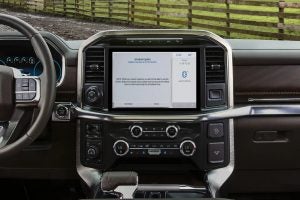
2021 Ford F-150 Center Console

A Technophobe's Guide to Pairing Your Phone With Ford Sync

Now you can take advantage of the power of your smartphone while in your Ford vehicle. Some people struggle when trying to sync their phones with Ford Sync. That's the reason for this step-by-step guide to pairing your smartphone with Ford's Sync technology. What Is Ford Sync Technology? Sync 3 and Sync 4 are the two latest versions of Ford's information technology hub, commonly referred to these days as your infotainment system. It operates through the touch-screen display in your Ford's center stack. If you don't know if you have a touch screen, try touching it and see what happens. If it's an actual touch screen then it will work like a tablet. You can make selections and run applications by using your finger to move a cursor around the screen and push onscreen buttons. Your infotainment center is one end of a wireless connection. The other end is your smartphone. Sync 3 and Sync 4 systems have a variety of programs like navigation, radio stations, and other apps pre-installed for you to use. However, if you want to access the apps from your cell phone on your infotainment center then you must sync the devices together. more Syncing Your Smartphone With Ford Sync This is a lot easier than it might seem. With a few simple steps, you'll be streaming your favorite music playlists and making hands-free calls like a pro. Step 1 Turn on your cell phone and go to Settings. You'll have quite a few options here, but don't get overwhelmed. Scroll through until you find Bluetooth and select this. Next, a screen will pop up that will ask you if you want to turn on Bluetooth. Either click yes or tap the button to activate it. Once Bluetooth is on, this button or slide should show green. Now your phone is searching for possible connections. Step 2 On your Ford Sync touch screen, press the Phone button and then Please add a phone displays. Press the add button. A code will display on your touch screen. Sync will then attempt to secure the connection automatically. Step 3 On your phone, you should see your Ford's wireless connection Sync listed with the other wireless networks within range. Select Sync and the connection should automatically occur. Some phones require the code to be entered and will prompt you at this time. Enter the code and you're done. Sync might ask you for additional phone options. Simply accept or deny those you wish to use or not use. We hope you find these instructions helpful. We are always happy to provide more information about syncing your phone using Ford SYNC here at Reddick Brown Ford. Image via ford.com

2020 Gray Ford Mustang Headlamp

5 Tips To Keep Your Ford Looking Brand New

Keeping your Ford looking brand-new isn't just for cosmetic pride. Giving your vehicle the proper care and attention it needs also maintains its value and even its health. Here are a few tips you should implement in your vehicle maintenance routine to keep your Ford looking like it just rolled off the lot. 1. Wax On One of the best things you can do for your Ford is make sure you're giving it a good coat of wax after washes. Wax not only makes your vehicle look shiny and clean but also protects it from harmful UV radiation from the sun, which can fade your paint job. We suggest waxing your vehicle three to four times a year if you're driving around Tennessee or another state that sees all four seasons. This should help protect your vehicle's exterior from the winter's road salt to the summer's rays. more 2. Clean Your Interior Often Don't wait until you're embarrassed to let other people into your car before you clean it. Even a little dust and grime can take a toll on your seats and carpets. Give your seats a good vacuuming and wipe-down before dirt can worm its way into your upholstery and cause damage. As an added benefit, a clean interior also just makes you feel better when you get into your Ford. 3. Attack Bug Splatter and Bird Droppings We cannot overstate how important it is to remove bird droppings and bug splatter from your vehicle as soon as you can. The acids in these substances are terrible enemies of paint and can ruin your paint job. If you want to be diligent and safe about this danger, stock your vehicle with a spray designed to remove bird droppings, as well as some microfiber towels. 4. Use Microfiber Towels Speaking of microfiber towels, be aware that using a house towel or beach towel to clean your car can damage your paint job. You should only be using towels with soft, synthetic fibers, such as microfiber towels designed specifically for auto detailing. Be sure to wash your microfiber towel between uses and don't continue using the towel if you set it on the ground or a dirty surface. Because of the small fibers, the towel does a good job of picking up dirt, which can damage your paint if you use a dirty towel to clean it. 5. Use Conditioner If you have cabin surfaces covered in vinyl or leather, consider using a conditioner to protect them from the sun. This is doubly important for those who park their vehicles in uncovered spots while they're home or at work. A quality upholstery conditioner acts as a sunscreen, protecting your interior surfaces from harmful UV radiation. With these tips in mind, you can ensure your Ford looks like new for years to come. But perhaps you'd like to start out with a new Ford and go from there. Visit us at Reddick Brown Ford in Morrison, Tennessee, to find your next brand-new travel companion. Image via ford.com

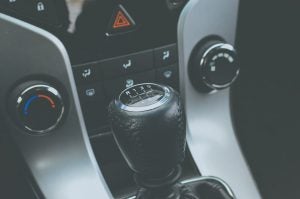
Manual Transmission Gearbox

4 Reasons to Choose a Manual Transmission Vehicle

Car models with a manual transmission option are becoming increasingly rare, as more and more people opt for the convenience of automatic gear shifts. However, many of those with a true passion for driving and for automobiles know that there are still plenty of reasons to choose a manual car. 1. Reliability An automatic transmission consists of many more parts than a manual one, meaning that there are more things that can go wrong throughout the car's lifetime. The manual, on the other hand, is a fairly straightforward system that will last for years, even decades, before there's a need for a replacement. When that moment comes, the part that needs to be replaced is usually the clutch, which is relatively inexpensive and not hard to remove and install. more 2. Cost-Effectiveness Most vehicles that offer both manual and automatic transmission options are less expensive with the manual one, with a price difference that's usually between $1,000 and $3,000. That, along with the fact that manual transmissions are less likely to break, make a manual car's lifetime costs much lower than an automatic one. Automatic transmissions also put more pressure on the car's brakes, adding to the extra future expenses of a new car owner. The more intricate design of automatic gearboxes doesn't only make them more likely to break, but also significantly less fuel-efficient. Although they've gotten increasingly better over the years, automatic transmissions still use up abut 15% more gas than manual ones. 3. Push-Starting If you've been a driver for long enough, odds are that you've experienced a dead car battery. It can happen because of its age, an interior light being accidentally left on for a few hours, and other similar reasons. The emergency solution for manual cars is simply pushing it on a straight road for a few yards, keeping the car in second gear, and quickly releasing the clutch when the car picks up a little speed. This emergency procedure that can save you lots of time and money cannot be done with an automatic transmission. 4. Engagement and Emotion If you are the kind of person who solely views the car as a tool that gets you from point A to point B, an automatic transmission may be the most hassle-free way of driving it. However, if you take any pleasure from driving you will definitely need a manual transmission vehicle. Although modern automatic and continuously variable transmissions get a pretty accurate sense of your driving style and adjust accordingly, you will never feel fully in control of your own vehicle. A manual gearshift lets you directly control the engine's rotations and torque transfer, allowing you to choose when to ease off and when to swiftly accelerate. This is especially important for off-roading, as all-terrain vehicles need to be more durable and the driver has to be able to select gears to maximize the odds of getting out of tight situations. Automatic gearboxes seem to be the future, as more and more cars have it as the only option. However, there will always be a market for enthusiasts that want to feel they are in control of their cars and for whom a car like the Shelby GT500 or the Ford Mustang GT would feel wrong with an automatic transmission. Image via pexels.com

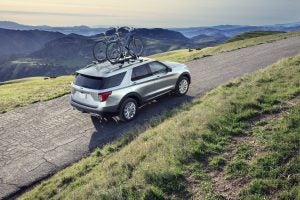
2020 Ford Explorer with Bikes on Roof Rack

4 Tips for Using Your Car's Roof Racks

Many Ford vehicles are compatible with roof racks. Roof racks offer convenience, but you should know how to use them properly. Follow the tips below when you're adding a roof rack to your Ford vehicle to ensure a safe and functional experience. 1. Choose the Right Option Each roof rack available doesn't fit on every vehicle. Make sure that the unit you're considering is designed for your Ford vehicle. Some products come from the same manufacturers that produce the components used to put together Ford vehicles, while others are known as aftermarket products, which means they come from other manufacturers. Before you purchase a roof rack, ensure that the rack has been designed to fit with your vehicle, adheres to the roof securely, and provides a tight fit. more 2. Look at Your Vehicle Design The design of your Ford vehicle will also play a role in what you can carry on the roof. A small sedan has a different body style and level of roof curvature than a three-row SUV, as well as a reduced amount of square footage for a large storage box or rail system. Some SUVs come equipped with roof rails or other mounting components, while others may need these elements added before they can hold up a roof rack. As you're shopping for options, you could find a kit, which includes all the components you need to haul items on top of your vehicle. Some of these components include crossbars, foot packs, and fit kits. 3. Understand the Limitations of Your Vehicle's Roof A roof rack creates a helpful and functional addition to your car or SUV, since it can provide extra storage space or free up room within the cabin. Every roof rack possesses its own limitations. What you plan to carry will impact which option you choose. For example, if you want a roof rack to mount your bicycle to the top of your vehicle, you can typically choose one with a lower weight capacity since your bike isn't too heavy. If you plan to haul luggage on road trips, the weight can quickly add up as you start adding more suitcases. Your vehicle's roof weight limit usually determines the limiting factor. Check your owner's manual before you install a roof rack. If you get a rack that can hold a cargo box rated at 200 pounds, but your roof can hold only 100 pounds, you may have overspent on a higher-capacity box that won't work with your vehicle. 4. Care for Your Roof Rack You want to care for and check your roof rack often to make sure that it's properly secured and not causing damage. Dust can collect under the feet, rubbing away the protective clear coat, or straps attached to the rack can rub against the vehicle's paint job. At Brown Lee Ford, we carry a line of accessories made to fit your Ford vehicle model perfectly. Stop by and chat with a member of our service team to find out more about what we can help you add to make your vehicle more functional for your needs. Image via ford.com

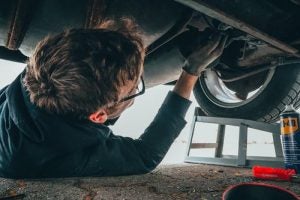
Man Fixing Vehicle Engine

4 Signs Your Ford Needs Serviced

Although you should always abide by the manufacturer's guidelines when it comes to servicing your Ford, it's equally important to be vigilant for any signs that your vehicle needs an extra trip to the service center. The following indicators merit an immediate visit to a Ford-certified auto technician. Engine Warning Light Dashboard indicators are helpful for drawing attention to an underlying problem, particularly when there's something wrong with the engine or other components. Unfortunately, modern check engine lights aren't always straightforward for the driver to decipher. The best way to determine why a warning light comes on is to bring your Ford to the service center for a proper diagnostic. Don't ignore your engine light if it only flickers or comes on in certain conditions. Warning lights can illuminate inconsistently depending on the problem. For example, the light may flash when the vehicle accelerates, which could indicate a failure in the car's emission control system. Other common reasons a check engine light might come on include a loose gas cap, a bad oxygen sensor, faulty spark plugs, and a bad mass airflow sensor. more Noisy or Soft Brakes Have your brakes been feeling off lately? Are they making more noise than usual? Brakes should bring your Ford to a stop quietly and effectively without you having to force the pedal to the floor. In some cases, faulty brakes can create noticeable vibrations when stopping. Regardless, you should have soft or noisy brakes inspected as soon as possible. Your Ford technician can replace your brake fluid, rotors, or brake pads in no time, ensuring you're always safe on the roads. Rough Shifts Automatic transmissions are convenient and efficient. They take the guesswork out of shifting gears and provide a smooth, reliable drive — until they don't. Like any vehicle component, your automatic transmission is susceptible to developing issues. When there's a problem, you might notice rough or abrupt shifting when you accelerate or decelerate. Your Ford might even have trouble shifting into a higher gear. Fixing transmission problems can be costly, especially when you've let the problem go on for too long. At the first sign of rough shifting, ensure your transmission gets the attention it needs. And don't forget to bring your Ford in for periodic maintenance on the transmission filters, screens, and fluid, which can help avoid expensive repairs down the road. Poor Gas Mileage Have you been making more trips to the gas station despite driving the same distance? When a vehicle develops an underlying issue, the fuel mileage can be one of the first things affected. You may not notice at first, but your Ford might start to get fewer miles out of each gallon of gas, causing you to make more stops at the pump. Poor gas mileage can indicate a sticking brake pad, improper tire pressure, or other common issues that require tuneups. At the first sign of trouble, ensure your Ford gets the attention it deserves. Schedule a service appointment at Brown Lee Ford today. Image via pexels.com

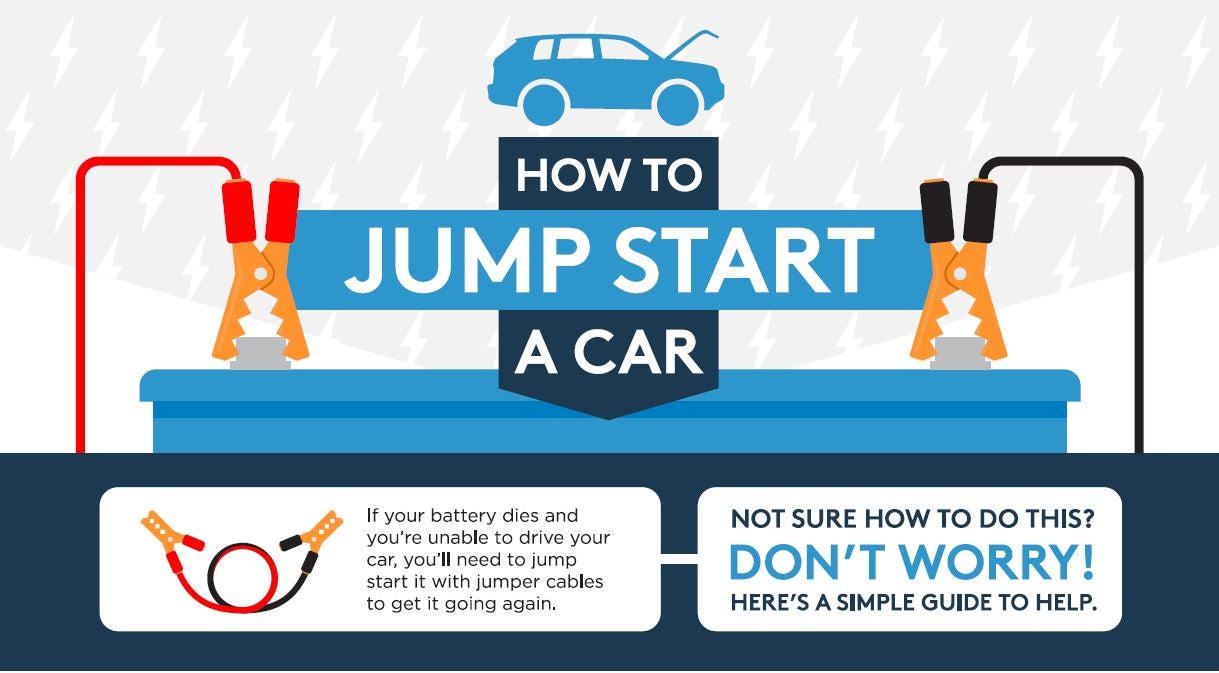
How to Jump Start a Car | Morrison, TN

A Quick Guide On How To Jump Start a Car

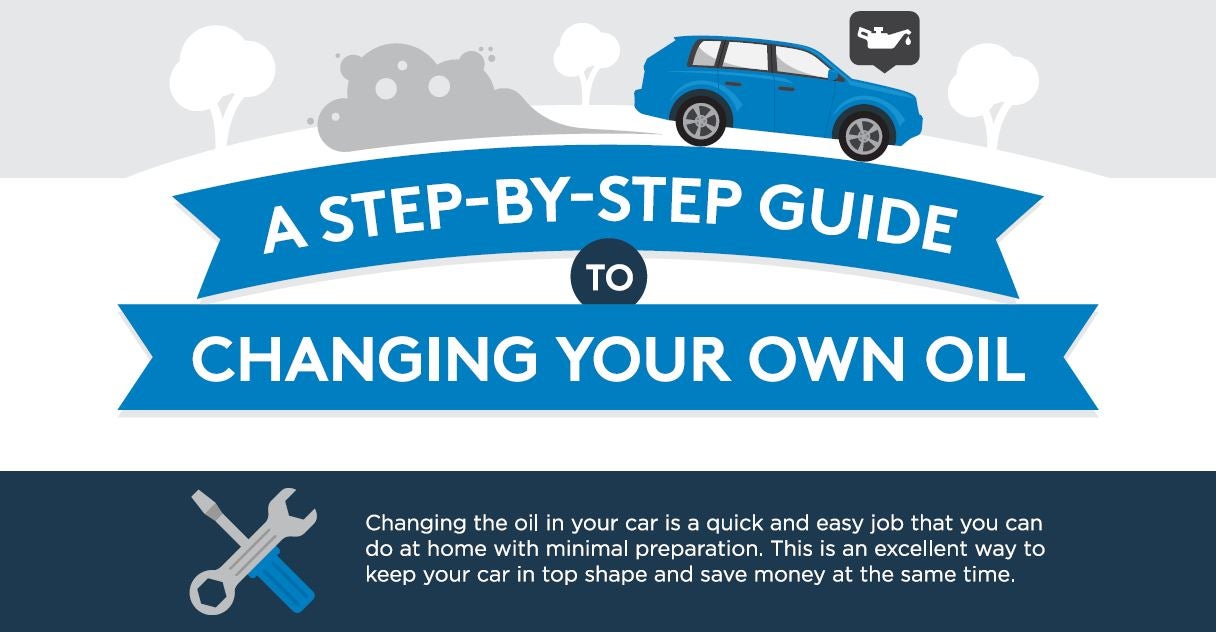
Guide to Changing Oil | Morrison, TN

A Step-by-Step Guide to Changing Your Own Oil

more

Tire on Asphalt Road

How to Care for Your Car Brakes

When you think about the safety systems and equipment in your car, you probably consider the rearview camera or the seatbelts as some of the most vital. However, one of the crucial systems that you can't drive without is the brake system, which allows you to slow down and stop. Caring for your car's brakes can ensure that this system is in good shape and able to protect you and others around you on the road. An Overview of the Brake System Every vehicle has a brake system that includes several key components, two of which are the brake pads and rotors. When you apply pressure to the brake pedal, the pads use friction to slow down and stop the car. Brake pads are attached to the rotors, which are round wheel brakes. The pads within your brake system are made of a hard material, ranging from organic compounds to asbestos, and wear out over time. They need to be checked and replaced, as do the rotors. more Maintaining the Brake Pads Caring for your car brakes involves having them checked regularly and replaced when needed. The system will usually give off a warning when it's nearing time for replacement, such as a high-pitched squeal when you press the pedal. Within most brake pads, you'll find a sheet of metal, which is called an indicator. When the pad is nearly worn out and the indicator is exposed, you'll hear the squealing sound that tells you it's time for new brake pads. Not all brake pads contain indicators, so be aware of other signs of potential brake issues. Some of these signs include soft or unresponsive brakes and a pedal that you have to press harder than usual. The average lifespan of brake pads is between 25,000 and 65,000 miles. Rotor Maintenance The rotors in your brake system usually last longer than the pads. In fact, many drivers can have the pads replaced two or three times before having to do the rotors. However, when you notice the warning signs of worn-out rotors, it's important to act quickly and get them fixed. A grinding sound when you brake is one of the key indicators. You may be able to have your rotors turned, which involves shaving them down to reveal a smooth, rounded surface, although this isn't always an option. Alter Your Driving Habits Certain driving habits can impact how long your brake pads and rotors last. If you're heavy on the pedal, braking hard and stopping quickly, you could find that you have to replace these components more often. Loading down your car with heavy cargo can also wear out the pads and rotors faster, so keep it as lightweight as possible. Another way to extend the lifespan of your brakes is to have the lines flushed every few years. At Brown-Lee Ford, our service department offers brake service and other automotive services. If you'd like to check that your brakes are still functional or have a repair done, contact us to schedule an appointment. Image via

Contact Us

Fill out this form below and we'll contact you shortly
*Required Fields