Blog / Tips & Tricks

4 Reasons to Choose a Manual Transmission Vehicle

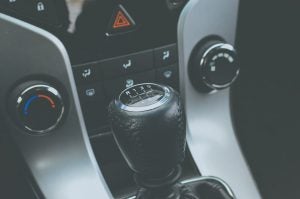
Manual Transmission Gearbox
Car models with a manual transmission option are becoming increasingly rare, as more and more people opt for the convenience of automatic gear shifts. However, many of those with a true passion for driving and for automobiles know that there are still plenty of reasons to choose a manual car.

1. Reliability

An automatic transmission consists of many more parts than a manual one, meaning that there are more things that can go wrong throughout the car's lifetime. The manual, on the other hand, is a fairly straightforward system that will last for years, even decades, before there's a need for a replacement. When that moment comes, the part that needs to be replaced is usually the clutch, which is relatively inexpensive and not hard to remove and install.

2. Cost-Effectiveness

Most vehicles that offer both manual and automatic transmission options are less expensive with the manual one, with a price difference that's usually between $1,000 and $3,000. That, along with the fact that manual transmissions are less likely to break, make a manual car's lifetime costs much lower than an automatic one. Automatic transmissions also put more pressure on the car's brakes, adding to the extra future expenses of a new car owner. The more intricate design of automatic gearboxes doesn't only make them more likely to break, but also significantly less fuel-efficient. Although they've gotten increasingly better over the years, automatic transmissions still use up abut 15% more gas than manual ones.

3. Push-Starting

If you've been a driver for long enough, odds are that you've experienced a dead car battery. It can happen because of its age, an interior light being accidentally left on for a few hours, and other similar reasons. The emergency solution for manual cars is simply pushing it on a straight road for a few yards, keeping the car in second gear, and quickly releasing the clutch when the car picks up a little speed. This emergency procedure that can save you lots of time and money cannot be done with an automatic transmission.

4. Engagement and Emotion

If you are the kind of person who solely views the car as a tool that gets you from point A to point B, an automatic transmission may be the most hassle-free way of driving it. However, if you take any pleasure from driving you will definitely need a manual transmission vehicle. Although modern automatic and continuously variable transmissions get a pretty accurate sense of your driving style and adjust accordingly, you will never feel fully in control of your own vehicle. A manual gearshift lets you directly control the engine's rotations and torque transfer, allowing you to choose when to ease off and when to swiftly accelerate. This is especially important for off-roading, as all-terrain vehicles need to be more durable and the driver has to be able to select gears to maximize the odds of getting out of tight situations. Automatic gearboxes seem to be the future, as more and more cars have it as the only option. However, there will always be a market for enthusiasts that want to feel they are in control of their cars and for whom a car like the Shelby GT500 or the Ford Mustang GT would feel wrong with an automatic transmission. Image via pexels.com

Posted in:

Related Posts

Person on Side of Road Looking at Engine

6 Signs Your Car's Transmission Needs Attention

Your car's transmission is one of its most essential parts. It's the geared component attached to your automatic or manual shifter. If it fails, your car will not operate, so you should keep an eye out for warning signs that it needs attention. Covering cheaper repair costs is always better than having to replace the entire transmission, but if the possible problems aren't caught early, the latter is more likely. Check Engine Light Is On It may seem obvious, but far too many car owners ignore their check engine light when it comes on. If your onboard computer indicates there's an engine-related problem, there almost certainly is one. Otherwise, the engine light coming on means there's a problem with your onboard computer. When the check engine light turns on, it's a sign that you need to get your vehicle to a certified shop as soon as possible. more Transmission Fluid Is Leaking Your transmission's fluid is red and has a sweet smell. Old transmission fluid has a burnt smell and tends to be darker. A leak could indicate anything from a seal defect to a crack in the body of the transmission itself. If you notice red fluid on the ground around your vehicle, have the transmission checked for leaks immediately to avoid further problems. Abnormal Sounds Are Detected If your engine makes a sound like a revved-up motorcycle, it's likely your transmission filter or pump is having issues. Automatic transmissions tend to grind hard as they fail, with humming and whining sounds being common before the damage gets to that point. Manual transmission issues are easier to detect, as the feel of each shift will be noticeably different from the norm. Clutch Is Dragging Manual transmissions experiencing clutch drag are failing to disengage the disk from the flywheel. The malfunctioning clutch, in this case, will continue to spin with the engine, so the gears can't shift. Thankfully, the repairs for this problem aren't that expensive or difficult to handle, so don't be overly alarmed if it happens. Car Isn't Responding Your car's transmission is meant to hit the proper gear without fail. If it won't shift at all, your transmission is probably in serious trouble. Automatic transmissions have the hardest time going from park to drive and back and may move to these gears more sluggishly before they finally lock up. If you notice a slow response, get yours checked before there's no response at all. Temperature Meter Indicates Overheating Low transmission fluid levels and other issues can cause extreme overheating, causing catastrophic transmission failure. Transmissions are not capable of handling serious heat for extended periods of time. If you see your car's temperature meter rise too high, get it checked out immediately. A new transmission costs between $1,800 and $3,400 on average within the United States according to Transmission Repair Cost Guide and their research from 2020. Check for these signs of transmission failure regularly, and you may end up saving yourself a stack of cash. Be sure to head to your local  dealership for regular vehicle checkups. The expertly trained professionals here at Reddick Brown Ford will notice a transmission issue earlier and be able to have you back out on the road in no time! Image via pexels.com

Blue 2021 Ford F-150 in Front of Lake with People Fishing

7 Tips to Care for Your Ford All Summer Long

As we emerge into the spring after a long hard winter, we can look forward to the hot and long days of summer. But the winter weather will have been hard on your car. After enduring cold temperatures, bad weather, and salt and grime from the road, your car will benefit from some basic maintenance. Here are seven spring and summer car-care tips. 1. Check Your Fluids The spring is a great time to schedule an oil and filter change to get rid of all the impurities they will have picked up in the winter. Check the fluids for the power steering, brakes, and transmission, and have them topped up as necessary. In warmer weather, overheating is the most common cause of breakdowns. Make sure your cooling system is topped up and has the correct mix of water and coolant. If your vehicle is due for service, have the cooling system flushed and refilled. more 2. Test Your Battery Low temperatures are hard on your car's battery, and months of cold starts and running the lights, wipers, and heating constantly will have taken their toll. Have your battery tested at your local service center, and replace it if it's showing its age. Replacing it before it's too late will help you avoid the inconvenience of a car that won't start. 3. Have Your Brakes Checked Brake wear is a gradual process, and you might not notice when brake performance deteriorates. Have a technician check the pads, discs, and calipers for wear. If you hear odd noises or notice pulsations or a soft feel to the pedal, there's definitely a problem. 4. Check and Rotate Your Tires Extreme high and low temperatures can affect your tires' performance. Even if you have a tire pressure monitoring system, you should check them manually at least once a month. Check the tire treads and sidewalls for wear or damage. Be sure to keep to your tire rotation schedule to ensure even wear and help extend the life of your tires. 5. Change Your Wiper Blades Your windshield wipers also work hard in the winter, especially if you've endured snow and ice. If they're smearing or scraping across the windshield, it's time to replace them. You also want to make sure that your washer fluid is topped up and at the right strength for clearing the bugs from your windshield in the summer. 6. Clean Your Lights When you wash your car, give your headlight and taillight lenses a thorough clean. Use baking soda, water, and a soft toothbrush to polish hazy headlights and make them shine bright. Check all the light bulbs and change any that have blown. Don't forget the brake lights and reverse lights. 7. Have Your Air Conditioning Inspected The last thing you want in the height of summer is for your air conditioning to stop working. Have the system inspected by a certified technician to ensure that it will keep you cool when the thermometer starts to rise. For more help and advice on seasonal maintenance for your Ford, visit our Service Department here at Reddick Brown Ford! Image via ford.com

2021 Ford F-150 Center Console

A Technophobe's Guide to Pairing Your Phone With Ford Sync

Now you can take advantage of the power of your smartphone while in your Ford vehicle. Some people struggle when trying to sync their phones with Ford Sync. That's the reason for this step-by-step guide to pairing your smartphone with Ford's Sync technology. What Is Ford Sync Technology? Sync 3 and Sync 4 are the two latest versions of Ford's information technology hub, commonly referred to these days as your infotainment system. It operates through the touch-screen display in your Ford's center stack. If you don't know if you have a touch screen, try touching it and see what happens. If it's an actual touch screen then it will work like a tablet. You can make selections and run applications by using your finger to move a cursor around the screen and push onscreen buttons. Your infotainment center is one end of a wireless connection. The other end is your smartphone. Sync 3 and Sync 4 systems have a variety of programs like navigation, radio stations, and other apps pre-installed for you to use. However, if you want to access the apps from your cell phone on your infotainment center then you must sync the devices together. more Syncing Your Smartphone With Ford Sync This is a lot easier than it might seem. With a few simple steps, you'll be streaming your favorite music playlists and making hands-free calls like a pro. Step 1 Turn on your cell phone and go to Settings. You'll have quite a few options here, but don't get overwhelmed. Scroll through until you find Bluetooth and select this. Next, a screen will pop up that will ask you if you want to turn on Bluetooth. Either click yes or tap the button to activate it. Once Bluetooth is on, this button or slide should show green. Now your phone is searching for possible connections. Step 2 On your Ford Sync touch screen, press the Phone button and then Please add a phone displays. Press the add button. A code will display on your touch screen. Sync will then attempt to secure the connection automatically. Step 3 On your phone, you should see your Ford's wireless connection Sync listed with the other wireless networks within range. Select Sync and the connection should automatically occur. Some phones require the code to be entered and will prompt you at this time. Enter the code and you're done. Sync might ask you for additional phone options. Simply accept or deny those you wish to use or not use. We hope you find these instructions helpful. We are always happy to provide more information about syncing your phone using Ford SYNC here at Reddick Brown Ford. Image via ford.com