Blog / Reddick Brown Ford

Unveiling the 2024 Ford F-150 Shelby: A Fusion of Power and Precision

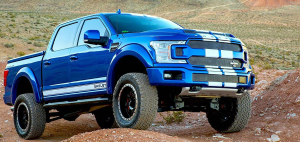
Shelby Ford F150 truck

The 2025 Ford F-150 Shelby stands as a testament to automotive excellence, blending raw power with refined design. Here's why this remarkable truck has grabbed such admiration among enthusiasts.

Unmatched Performance

At the heart of the 2025 F-150 Shelby lies a formidable 5.0L V8 engine, which can be supercharged to deliver an astounding 785 horsepower. This immense power ensures rapid acceleration and a thrilling driving experience, whether navigating city streets or tackling off-road terrains.

Advanced Suspension System

Equipped with the Shelby by FOX suspension system, the truck offers superior handling and ride quality. This system features FOX 2.5 factory race series shocks with internal bypass technology and adjustable dual speed controls, allowing drivers to fine-tune their ride for various conditions.

Distinctive Exterior Design

The 2025 F-150 Shelby boasts a commanding presence with its 22-inch Shelby alloy wheels and 35-inch premium all-terrain tires. The dual intake "RAM AIR" Shelby Super Snake hood, along with painted fender flares and custom front bumper, enhances both aesthetics and aerodynamics. The bold Shelby stripes and badging make this stylishly-rugged truck stand out from the crowd.

Luxurious Interior Features

Inside, the Shelby F-150 offers a blend of comfort and sophistication. The cabin is adorned with carbon fiber aesthetic interior trim, billet racing pedals, and embroidered floor mats. The Shelby spec interior upgrade ensures that every journey is experienced in luxury, with deep-tinted windows providing privacy and a sleek appearance.

Comprehensive Warranty

Owners can drive with confidence, knowing that the 2025 F-150 Shelby comes with a 3-year/36,000-mile limited warranty, underscoring Shelby American's commitment to quality and customer satisfaction.

Key Highlights

  • Engine Power: Optional supercharger elevates the 5.0L V8 engine to 785 horsepower.
  • Suspension: Advanced FOX system with adjustable settings for optimal performance.
  • Wheels and Tires: 22-inch alloy wheels paired with 35-inch all-terrain tires for enhanced grip and stability.
  • Exterior Enhancements: Signature Shelby design elements, including the Super Snake hood and distinctive badging.
  • Interior Upgrades: Premium materials and finishes, reflecting Shelby's attention to detail.

The 2025 Ford F-150 Shelby masterfully combines performance, style, and luxury, making it a standout choice for drivers seeking a classy driving experience. Schedule your test drive with Reddick Brown Ford today.

Posted in:

Related Posts

Why Ford Trucks Are the Most Trusted in Tennessee

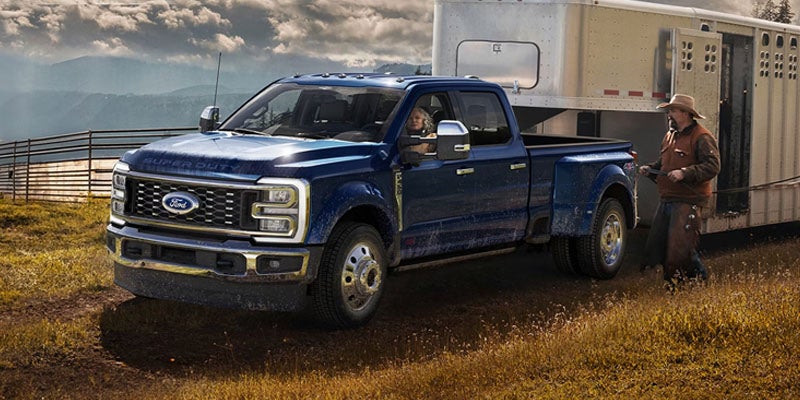
Trust in a truck is not built through marketing claims. It is earned through years of consistent performance under load, in heat, on hills, and across long workdays. In Tennessee, trucks are not weekend accessories. They are tools used for construction, agriculture, hauling equipment, towing trailers, and navigating rural terrain alongside daily driving. Ford trucks have earned trust in this environment because their engineering decisions prioritize durability, system integration, and long term workload reliability. This trust is the result of how Ford builds trucks from the frame up, not just how they look on paper. What Trust Means for Truck Buyers in Tennessee For work focused buyers, trust is not an abstract idea. It is measured in practical outcomes: Engines that maintain output under sustained load Transmissions that manage heat and torque without premature wear Frames that resist flex when towing or hauling Cooling systems that perform in hot, humid conditions Braking systems that remain predictable with heavy trailers Consistent performance over high mileage ownership Ford trucks are designed around these realities rather than peak numbers alone. more Ford Frame and Chassis Engineering The foundation of truck reliability starts with the frame. Ford uses high strength steel frames across its truck lineup, engineered to balance rigidity and controlled flex. Key structural advantages include: Fully boxed frame sections in high stress areas Reinforced crossmembers for towing stability Load optimized frame geometry to reduce fatigue over time Suspension mounting points designed to distribute stress evenly This matters in Tennessee where uneven terrain, job site access roads, and repeated towing cycles place constant stress on the chassis. A rigid but intelligently engineered frame improves durability and preserves alignment and suspension integrity over long term use. Powertrain Design Built for Real Workloads Ford truck engines are engineered around specific duty cycles rather than generalized performance. Key powertrain considerations include: Broad torque curves that deliver usable pulling power at low and mid rpm Engine cooling systems designed to maintain temperature under sustained load Oil and lubrication pathways optimized for towing and hauling conditions Engine options matched to different workload demands Rather than relying on a single engine solution, Ford offers multiple powertrain configurations so buyers can match capability to actual use. This reduces strain, improves longevity, and prevents overworking undersized engines. Transmission Durability Under Load Transmission reliability is a major factor in long term truck trust. Ford truck transmissions are tuned to manage torque delivery smoothly and consistently. Key transmission reliability factors include: Gear spacing designed to reduce hunting while towing Torque converter tuning that limits excessive heat buildup Transmission cooling systems integrated into towing packages Shift logic calibrated for load awareness In hilly Tennessee terrain, these design choices prevent excessive heat and wear during towing and stop and go work driving. Towing Performance Is a System, Not a Number Towing trust is not just about maximum ratings. It is about how the entire vehicle manages the load. Ford towing systems are engineered holistically: Frame strength supports trailer weight and tongue load Axles and differentials are selected for sustained torque demands Cooling systems manage engine and transmission heat under load Brake systems are sized for trailer assisted stopping Stability systems help control sway and directional movement This integrated approach is why Ford trucks maintain stable towing performance in real world conditions rather than only under ideal scenarios. Reliability Comes From Predictable Behavior One reason Ford trucks are trusted by contractors and fleet operators is predictability. A truck that behaves consistently under load reduces driver fatigue and mechanical stress. Predictable systems include: Throttle response tuned for smooth torque delivery Braking systems calibrated for progressive stopping Suspension designed to remain stable under varying payloads Steering systems that maintain feedback while towing These factors are especially important for long workdays and repeated towing cycles common in Tennessee industries. Fleet Use as a Reliability Indicator Fleet adoption is one of the strongest indicators of real world reliability. Fleet buyers prioritize uptime, maintenance predictability, and long service life. Ford trucks are widely adopted in fleet use because: Powertrains are engineered for high mileage durability Maintenance intervals are designed around work use Parts availability and service networks support long term ownership Systems are designed to be serviceable, not just powerful This same engineering benefits individual buyers who rely on their trucks for daily work. Tennessee Specific Driving Demands Tennessee truck use involves unique challenges: Heat and humidity increase cooling system demands Hilly terrain stresses powertrains and brakes Towing equipment and trailers is common Rural roads and job sites require suspension durability Ford truck engineering addresses these demands through cooling capacity, drivetrain strength, and structural design that supports repeated heavy use without rapid degradation. Why Trust Persists Across Generations Trust in Ford trucks continues because the brand consistently prioritizes function over trend. While features evolve, the core engineering focus remains centered on: Long term durability System level integration Work oriented performance Predictable ownership experience This consistency is why Ford trucks remain the most trusted choice for Tennessee drivers who depend on their vehicles for more than transportation. Final Ownership Perspective Ford trucks earn trust by doing what matters every day, not by chasing short term metrics. Their reliability is built through structural integrity, powertrain durability, towing system integration, and predictable performance under real workloads. For Tennessee drivers who demand trucks that show up consistently, handle stress intelligently, and remain dependable over time, Ford’s engineering approach continues to justify its reputation.

Ford Truck vs SUV: Which Fits Your Lifestyle?

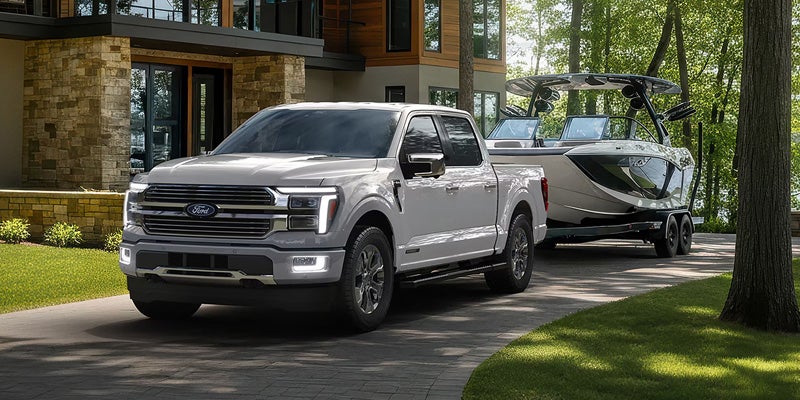
Choosing between a Ford truck and a Ford SUV often sounds simple until shoppers start comparing what they actually need from the vehicle each day. Some drivers want towing strength, bed utility, and higher payload capability. Others need protected cargo space, flexible seating, and easier family use. The real decision is less about body style and more about how the vehicle’s design supports your routine. A Ford truck and a Ford SUV solve different ownership problems, and understanding how their systems work can make the choice much clearer. For many shoppers, the best fit comes down to cargo type, towing frequency, weather conditions, passenger needs, and how much daily driving matters compared with weekend capability. How Ford Truck Payload and Ford SUV Cargo Space Solve Different Problems Many shoppers comparing a Ford truck vs SUV want to know whether payload and bed access matter more than enclosed cargo space. The answer starts with understanding what each layout is designed to carry. Payload is the total weight a vehicle can carry, including passengers, gear, and anything loaded into the bed or cabin. A Ford Maverick payload capacity, Ford Ranger payload capacity, or Ford F-150 payload setup is built around carrying heavy or messy items that may not fit well inside an enclosed cabin. That matters for drivers hauling mulch, lumber, tools, motorcycles, or landscaping equipment. more A Ford SUV cargo space layout works differently. Models such as the Ford Explorer cargo area, Ford Expedition cargo space, and Ford Bronco Sport cargo area are designed to store gear inside the vehicle. That protects luggage, groceries, sports equipment, and weather-sensitive items from rain, theft, and road dirt. Shoppers deciding between these two layouts should think about what they carry most often: Open bed utility is better for dirty, oversized, or irregular cargo Enclosed SUV storage is better for family gear, shopping, pets, and travel bags A Ford truck bed is easier to load bulky items into A Ford SUV cabin is often easier to secure and organize for daily errands This is one of the biggest reasons a Ford truck vs SUV decision should be based on ownership habits, not just styling preference. When Ford Truck Towing Capability Matters More Than Ford SUV Flexibility Drivers also ask whether a Ford truck or Ford SUV is the better towing choice for campers, boats, and utility trailers. The answer depends on how often you tow and what else the vehicle needs to do. A Ford F-150 towing setup or Ford Ranger towing capacity is built around repeated trailer work. Trucks are engineered with towing as a primary use case, which affects chassis strength, suspension tuning, bed utility, and available towing technology. If towing is part of your work routine or a frequent recreational need, a truck usually gives you a better overall ownership fit. A Ford Explorer towing capacity or Ford Expedition towing capacity can still be a strong match for drivers who tow occasionally but need seating, interior comfort, and family flexibility the rest of the time. This is where many shoppers get stuck. A Ford SUV may tow enough for a smaller camper or boat while still offering an enclosed cabin, easier passenger access, and more comfortable long-distance family travel. What shoppers should evaluate here includes: How often the trailer will actually be used Whether the vehicle also needs to carry several passengers regularly Whether cargo is better stored in a truck bed or behind enclosed seats Whether towing is occasional convenience or a repeated workload A truck is often the smarter fit when towing is central to the lifestyle. An SUV is often the smarter fit when towing is only one part of a broader family-use pattern. How Ford AWD, 4WD, and Drive Modes Change the Decision Another common question is whether Ford AWD or Ford 4WD makes more sense for snow, dirt roads, and weekend travel. This is an important difference because these systems are designed for different kinds of traction demands. All wheel drive is a traction system that can distribute power to multiple wheels to improve grip when road conditions become slippery. In many Ford SUVs, AWD is designed to improve confidence in rain, light snow, and mixed pavement conditions. That makes a Ford Explorer AWD system or Ford Bronco Sport traction system attractive for commuters and families who want added stability without moving into a more specialized truck setup. A more truck-oriented Ford 4WD system is typically better aligned with towing, loose surfaces, work sites, and more demanding off-road conditions. A Ford Ranger drive mode system or Ford F-150 4WD setup is useful when the vehicle needs to handle mud, deeper snow, rocky terrain, or trailer-related traction demands. This part of the decision matters because lifestyle use is rarely identical. A driver dealing mostly with pavement, weather changes, and family travel may benefit more from a Ford SUV traction setup. A driver who regularly pulls equipment onto job sites or travels over rougher surfaces may need a Ford truck traction system instead. Why Daily Driving Habits Often Decide Ford Truck vs SUV Ownership Shoppers undecided between a Ford Maverick, Ford Ranger, Ford Explorer, or Ford Expedition often focus first on capability numbers. In real ownership, daily driving behavior usually has just as much influence on satisfaction. Vehicle size changes parking effort, visibility, turning behavior, and how easy the vehicle feels in traffic. A Ford SUV often makes more sense for drivers dealing with school pickup lines, parking garages, city streets, and frequent passenger use. Interior access is simpler, cargo is protected, and the driving experience may feel easier to manage if heavy hauling is not part of the routine. A Ford truck makes more sense when daily life includes materials, equipment, dirty gear, or repeated trailer use. Even when a truck is larger, the bed design may save time and reduce frustration for owners who constantly load and unload bulky items. This is why the best question is not whether trucks are more capable or SUVs are more comfortable. The better question is which design removes the most friction from your actual week. How the Ford Maverick Blurs the Line Between Truck Utility and SUV Practicality The Ford Maverick has made this comparison more interesting because it does not fit the old assumption that trucks are always large and inefficient. Many shoppers researching Ford Maverick towing capacity and Ford Maverick payload capacity are really asking whether a compact truck can offer enough utility without the everyday tradeoffs of a full-size pickup. That is where the Maverick changes the conversation. It offers bed access and useful truck capability in a size that may feel easier to live with for daily commuting. For shoppers who want occasional hauling ability, lighter towing, and more manageable dimensions, the Maverick can serve as a middle ground between a traditional truck and a family SUV. This matters for buyers who need: Better utility than a typical enclosed cargo area Easier daily driving than a larger pickup Flexible capability for home projects and outdoor hobbies A practical vehicle that does not force a full-size truck commitment Which Ford Fits Your Lifestyle Best The right answer in a Ford truck vs SUV comparison depends on what the vehicle needs to do most often. A Ford truck is usually the better fit when payload, bed access, repeated towing, and heavy-duty utility define ownership. A Ford SUV is usually the better fit when passenger comfort, enclosed cargo space, daily drivability, and family flexibility matter more. For some shoppers, the answer is clearly a Ford F-150, Ford Ranger, or Ford Maverick. For others, a Ford Explorer, Ford Expedition, or Ford Bronco Sport will better support everyday life. The best choice comes from matching the vehicle’s engineering strengths to the way you actually drive, carry, tow, and travel.

Best Ford SUVs for Growing Families Space Safety and Everyday Usability

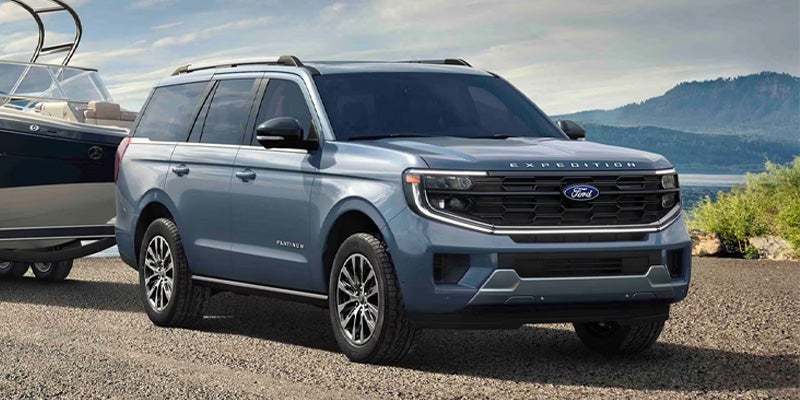
Choosing the right SUV for a growing family is less about peak horsepower or exterior styling and more about how the vehicle supports daily life. Interior space needs change quickly as families grow. Safety expectations increase. Cargo demands become less predictable. Ford’s SUV lineup is structured to meet these evolving needs by offering multiple sizes, seating layouts, and safety systems rather than a one size fits all approach. Understanding which Ford SUV works best depends on how family size, driving habits, and long term ownership expectations intersect. What Families Should Evaluate First When Comparing SUVs Before comparing individual models, it helps to understand what actually matters in family focused ownership. Key evaluation factors include: more Seating flexibility and ease of access Car seat compatibility and door swing clearance Cargo space with seats in use Advanced safety and driver assistance systems Ride comfort and road stability Long term reliability and ownership confidence Ford engineers its SUV lineup so that each model targets a different family use case rather than simply scaling size upward. Ford Escape Practical for Young and Growing Families The Ford Escape is often overlooked in family discussions, but it serves an important role for smaller or early stage families. Why the Escape works well: Compact exterior footprint that is easy to park and maneuver Rear seating that accommodates child seats without excessive bulk Flat load floor for strollers and groceries Strong fuel efficiency for daily commuting and school runs The Escape is best suited for families with one or two children who prioritize drivability and efficiency over maximum interior volume. Ford Edge Balanced Space Without Third Row Complexity The Ford Edge occupies the middle ground between compact and three row SUVs. It is designed for families that want more space than a compact SUV but do not need a third row. Family advantages of the Edge include: Wide rear seat that easily accommodates multiple child seats Large cargo area without folding seats Stable ride quality for longer trips Strong structural safety design For families that carry sports equipment, pets, or travel gear but rarely transport more than five passengers, the Edge offers a simpler and more usable layout than larger SUVs. Ford Explorer The Core Family SUV Option The Ford Explorer is often the default choice for growing families because it balances seating capacity with everyday usability. Key family focused strengths: Available third row seating for expanding households Multiple powertrain options to support highway driving and towing Advanced driver assistance features that support long distance travel Configurable interior layouts that adapt to passengers or cargo The Explorer is particularly well suited for families who anticipate growth or regularly transport extended family members, teammates, or friends. Ford Expedition Maximum Space for Large Families For larger families or those with demanding space needs, the Ford Expedition provides full size SUV capability. Why the Expedition stands out: Adult usable third row seating Significant cargo capacity even with all rows in use Strong body on frame stability for highway confidence Power and cooling systems designed for heavy loads This SUV is ideal for families who prioritize space and long trip comfort over fuel efficiency or compact size. Safety Systems That Matter for Families Ford equips its SUVs with advanced safety systems designed to reduce collision risk and driver fatigue. Common family focused safety features include: Automatic emergency braking Blind spot monitoring with cross traffic alerts Lane keeping assistance Adaptive cruise control Rear view camera systems with enhanced visibility These systems work together to support situational awareness, particularly during school drop offs, highway travel, and parking lot environments. Cargo Space and Everyday Usability Cargo usability is more important than raw volume numbers. Families need space that works without constant seat folding or rearranging. Practical cargo considerations include: Cargo space with second and third rows occupied Easy liftgate access Flat load floors Interior storage for small items Ford designs interior layouts to support real world use rather than focusing solely on maximum capacity figures. Choosing the Right Ford SUV for Your Family There is no single best Ford SUV for every family. The right choice depends on how the vehicle will be used day to day and how those needs may change over time. Smaller families may benefit from efficiency and maneuverability. Growing families often need seating flexibility. Larger households require consistent space and stability. Ford’s SUV lineup allows families to choose based on practical needs rather than forcing unnecessary size or complexity. Long Term Ownership Perspective Family vehicles are long term investments. Choosing the right SUV means considering how safety systems, interior durability, and usability will hold up over years of ownership. Ford SUVs are engineered with a focus on real world family use, offering a range of options that grow with household needs rather than limiting future flexibility.