Blog

Maximize Your Trade-In Value with Reddick Brown Ford's $250 Trade-In Bonus Offer

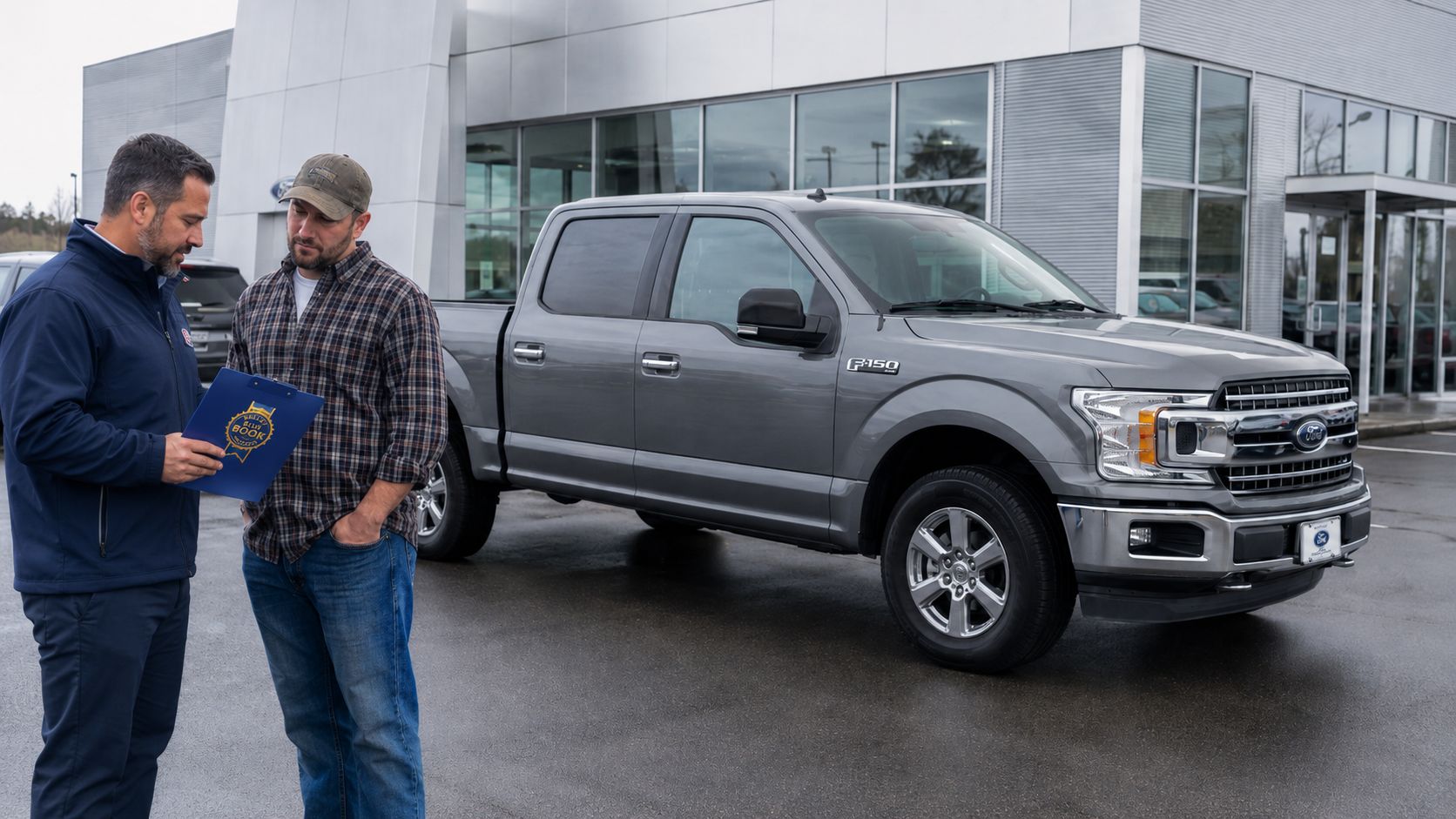
Financial handshake at dealership

At Reddick Brown Ford, located in Morrison, TN, we make it easier than ever to upgrade your ride by offering an unbeatable trade-in value, coupled with a limited-time $250 Trade-In Bonus. Whether you're looking to sell your current vehicle or exchange it for a new Ford, we are here to ensure you get the best deal possible. Here's how you can make the most of our generous offer and drive away with confidence.

Why Choose Reddick Brown Ford for Your Trade-In?

When it comes to trading in your vehicle, you want to ensure you're getting a fair, transparent, and hassle-free process. At Reddick Brown Ford, we prioritize customer satisfaction and are committed to offering competitive trade-in values.

We understand that your car is more than just a mode of transportation—it’s an investment. Our team of professionals is here to assess your vehicle's value based on its condition, make, model, and market demand. By choosing Reddick Brown Ford, you're choosing a dealership that values transparency, customer trust, and offering top dollar for your trade.

How the $250 Trade-In Bonus Works

Our $250 Trade-In Bonus is the perfect opportunity to get extra value for your vehicle when you trade it in toward a new or used Ford. Here’s how it works:

  • Bring Your Vehicle to Us: Schedule an appointment with our team at Reddick Brown Ford, and we'll evaluate your vehicle's trade-in value.
  • Get a Fair Offer: Based on the current market conditions and the details of your car, we’ll present you with a fair trade-in offer.
  • Claim Your $250 Bonus: Once we finalize your trade-in, you'll receive an additional $250, giving you even more value to put towards your next vehicle purchase.

This bonus is a limited-time offer, so don't miss out. It’s an excellent chance to make the most of your trade-in and lower your future vehicle costs.

Benefits of Trading in Your Vehicle at Reddick Brown Ford

Trading in your car can be a great way to lower your monthly payments or put extra money down on your next vehicle. Here are some key benefits:

  • Simplicity: Skip the hassle of selling your car privately. We handle everything for you.
  • Instant Offer: You’ll receive an instant, no-obligation offer for your car, which you can choose to accept or decline.
  • Tax Savings: When you trade in your car and purchase a new one, the trade-in value may reduce the taxable amount of your new vehicle purchase, potentially saving you money.

How to Prepare for Your Trade-In

To get the best value for your vehicle, it's important to come prepared. Here are a few simple tips:

  • Gather Your Documents: Have your vehicle title, registration, and proof of insurance ready. If you still owe money on your car loan, bring the payoff information.
  • Clean Your Car: A clean car, both inside and out, can make a big difference in how your vehicle is perceived.
  • Check the Market Value: While we will evaluate your car thoroughly, it’s always a good idea to have an idea of its market value before you come in.

Don't Wait—Take Advantage of Our $250 Trade-In Bonus Today!

With our $250 Trade-In Bonus, there's never been a better time to trade in your vehicle at Reddick Brown Ford. Our team is ready to offer you top dollar for your trade and help you find the perfect Ford to fit your lifestyle.

Ready to get started? Contact us today to schedule your trade-in evaluation or stop by our dealership in Morrison, TN. We look forward to helping you make the most of your trade-in and drive off in a new Ford!

Recommended Posts

Ford SUV for Daily Driving: Matching Rugged to Real Life

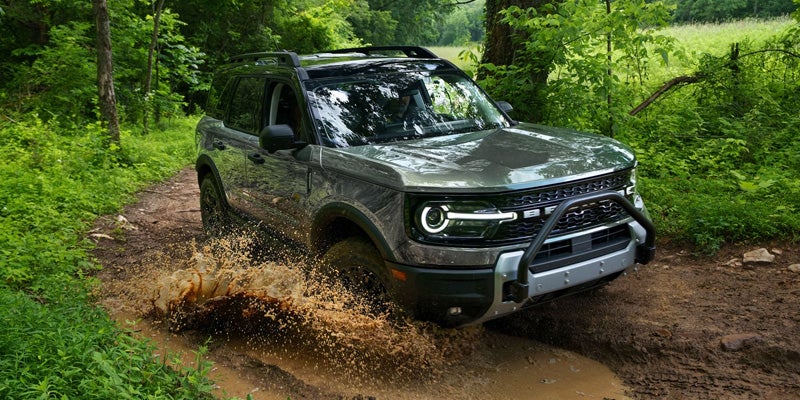
Choosing a Ford SUV for daily driving becomes easier once you understand what separates trail-built capability from everyday comfort, and where the two actually overlap. Many shoppers arrive at the lot drawn by the bold styling of the Bronco or the rugged stance of the Bronco Sport, and they leave questioning whether that capability comes at the cost of a smooth commute or practical family space. The Ford lineup answers that question differently depending on which model you sit behind. However, matching the right SUV to your real routine means looking past the exterior and understanding what the hardware actually does when you are driving Tennessee highways, rural two-lanes, or the occasional gravel trail. The Explorer, Bronco, Bronco Sport, and Expedition each serve a different kind of driver, and knowing the structural and functional differences helps you choose with confidence rather than compromise. What Rugged Capability Means Across the Ford SUV Lineup Rugged is not a single measurement. Across Ford's SUV family, capability spans a wide range from purpose-built off-road architecture to trail-styled daily drivers to family platforms with available off-road packages. Understanding where each model sits on that spectrum is the first step in deciding whether rugged capability is something you will use, something you want available occasionally, or simply a design preference that does not need to drive your purchase decision. The Ford Bronco sits at the most committed end of the range. Its body-on-frame construction, solid front axle on select trims, locking differentials, and G.O.A.T. mode system are purpose-built for demanding terrain. G.O.A.T. stands for Goes Over Any Type of Terrain, and the seven selectable drive modes adjust throttle response, traction control thresholds, and differential behavior for conditions ranging from sand to rock to mud. Trail Control is Ford's low-speed off-road cruise control, holding a set speed over rough ground so the driver can focus on steering input rather than throttle modulation. These are genuine mechanical systems, not appearance packages, and they reflect the engineering priorities of a vehicle designed first for the trail. That engineering orientation also shapes how the Bronco behaves every other day of the week. The Bronco Sport occupies a different position. Built on a unibody platform shared with the Escape, the Bronco Sport carries rugged exterior styling and genuine off-road credibility, but its architecture prioritizes everyday driving composure. The available off-road-tuned suspension, Mud and Ruts mode, and trail-specific traction management give it real trail usefulness beyond what most crossovers offer. Furthermore, the Big Bend, Outer Banks, Badlands, and Wildtrak trims each move the capability needle differently, letting you select how much hardware you actually need. The following overview maps where each Ford SUV lands across the capability spectrum: more Ford Bronco: body-on-frame construction with locking differentials, Trail Control, and G.O.A.T. modes tuned for committed off-road driving. It is the most capable daily driver in the lineup, though its trail-first architecture shapes its on-road personality. Ford Bronco Sport: unibody platform with available Badlands off-road suspension and terrain-specific drive modes. It is genuinely capable on light to moderate trails while delivering noticeably smoother pavement manners than the full Bronco. Ford Explorer Tremor: a family-oriented midsize platform with a factory suspension lift, all-terrain tires, a limited-slip rear differential, and trail-ready hardware. It is designed for shoppers who want real capability without leaving the family SUV footprint. How Platform Architecture Shapes Every Drive The single most consequential technical difference between the Bronco and the rest of the Ford SUV family is the platform beneath the body. That structural choice ripples through fuel economy, ride quality, highway composure, and noise levels in ways that matter every day, not just on trail days. Body-on-frame construction, which the Bronco uses, separates the body from the chassis through a rigid mounting system. This design excels at handling the lateral and vertical stress of off-road terrain, protects drivetrain components, and gives the Bronco a higher towing and payload tolerance relative to its size. On pavement, however, body-on-frame vehicles tend to transmit more road vibration and noise into the cabin, require more driver engagement at highway speeds, and return lower fuel economy figures because the heavier structure carries more curb weight. The Bronco's 2.3-liter EcoBoost base engine returns EPA estimates in the mid-20s combined. For someone commuting 30 to 40 miles daily on US-70 or TN-55, that translates to a real fuel cost difference over the ownership period. The Explorer, Bronco Sport, and Escape all use unibody construction, where the body and frame are integrated into a single structural unit. This approach reduces weight, lowers the vehicle's center of gravity, and smooths how road inputs travel through the suspension into the cabin. The result is noticeably quieter highway cruising, less steering correction needed at speed, and better fuel returns. The Explorer's 2.3-liter EcoBoost achieves up to 28 miles per gallon on the highway. The Bronco Sport's lighter footprint brings the base 1.5-liter EcoBoost up to a similar highway figure. For a driver who primarily navigates Morrison's surrounding two-lanes, runs errands in McMinnville, or commutes toward Sparta, that composure difference is felt on every trip. The available BlueCruise hands-free highway driving system on select Explorer trims adds another layer of long-road ease that the Bronco does not offer. None of this makes the body-on-frame Bronco a poor daily driver. It is far more composed on pavement than its off-road capability might suggest. However, the difference is real, and shoppers who prioritize quiet cabins, refined highway feel, and fuel efficiency will find the unibody alternatives more naturally suited to the majority of their driving. Seating and Cargo Structure Matched to How Your Household Actually Moves Seat count and cargo volume on a spec sheet are starting points, not conclusions. The way those numbers translate to real family loading, including car seats, strollers, sports equipment, groceries, and camping gear, depends on the configuration architecture, how rows fold, and what the second and third rows actually deliver for adult passengers rather than just seat count totals. The Ford Explorer 's three-row, seven-passenger architecture is the most broadly practical for growing families. Second-row width comfortably fits two car seats side by side, and third-row access uses a walk-in entry through the second row that is easier to manage than some competitors. Behind the third row, 16.3 cubic feet of cargo space handles a moderate grocery run or a couple of overnight bags. Fold the third row flat and that expands to 46 cubic feet, which is genuinely useful for sports equipment or weekend hauls. With both rows folded, 85.8 cubic feet opens the Explorer to cargo tasks well beyond what most families expect from a midsize SUV. The 2026 Tremor trim adds a sport-utility dimension to that family footprint through a factory suspension lift, all-terrain tires, and additional ground clearance, letting a family that also wants trail access find it in a single vehicle. The Ford Expedition scales that concept for larger households. Seating for up to eight across three rows, 20.9 cubic feet behind the third row, and a maximum 104.6 cubic feet with all rows folded covers the largest cargo demands in Ford's lineup. The Expedition Max extends the wheelbase for even greater third-row headroom and rear cargo volume, which is a meaningful choice for families whose camping trips or road trips require hauling volume that would otherwise mean pulling a trailer. Moreover, the Expedition's towing capacity reaches 9,600 pounds, which covers boats, camper trailers, and cargo setups common across Middle Tennessee's outdoor recreation culture. The Bronco Sport, by contrast, fits two rows and five passengers across a significantly shorter footprint. Its cargo area emphasizes smart storage over raw volume, with features like a hands-free tailgate, underfloor bins, and load-in hooks that make it practical for active-lifestyle gear without the size of a three-row platform. Ford Explorer cargo configuration: 16.3 cubic feet behind the third row, 46 cubic feet with the third row folded, and 85.8 cubic feet with both rows flat. This structure works well for families who need to switch between passenger and cargo modes regularly throughout the week. Ford Expedition and Expedition Max cargo configuration: up to 104.6 cubic feet of maximum volume with all rows folded, plus class-leading towing capacity up to 9,600 pounds. This suits families whose hauling needs go beyond the school-run-and-grocery-store routine. Ford Bronco Sport cargo layout: a two-row, five-passenger footprint with smart active-lifestyle storage solutions. It is practical for smaller households or drivers who want trail-ready versatility in a compact package rather than three-row family capacity. What Capability Looks Like When You Rarely Leave the Pavement One of the most underserved groups in the Ford SUV conversation is the shopper who genuinely wants capability available for the occasional gravel road, the camping trip twice a year, or the unexpected weather event, but whose daily reality is school carpool, highway commuting, and weekend errands. This buyer does not need the full Bronco hardware stack. However, they also do not want to find themselves under-equipped when the moment arrives. The 2026 Ford Explorer Tremor is built precisely for this buyer. On the platform level, it remains the family-first, unibody Explorer that parents already trust for everyday driving. The Tremor package layers factory hardware on top of that foundation: a suspension lift of 0.6 inches adds ground clearance, Goodyear Wrangler Territory all-terrain tires handle mixed surfaces without the rough road noise of extreme off-road rubber, a limited-slip rear differential manages traction on loose or slippery ground, and Trail Turn Assist improves low-speed maneuverability on narrow trails by braking the inside rear wheel into a tighter arc. The result is an Explorer that drives to school every day, seats seven, and still navigates the kind of terrain that Middle Tennessee's back roads and recreation areas occasionally demand, all without requiring the driver to manage a trail-specific vehicle on the way to work. The Bronco Sport Badlands trim serves a similar role for smaller households. Its available off-road suspension, rear hydraulic bump stops for aggressive terrain absorption, and Mud and Ruts drive mode provide more genuine trail hardware than any standard crossover. Because the Bronco Sport's footprint is compact, it also fits comfortably in standard parking structures and neighborhood streets where the full Bronco's width and turning radius can feel like more vehicle than the situation requires. For a driver who values rugged aesthetics and occasional capability without committing to dedicated off-road architecture, the Badlands trim offers a well-calibrated middle ground. Using Trim Logic to Right-Size Your Decision Trim levels across Ford's SUV lineup are not simply ascending lists of features. They reflect different intended use profiles. Understanding the hardware logic behind each tier helps you avoid paying for off-road capability you will not use, or conversely, under-speccing when you genuinely want it available. On the Bronco Sport, the Big Bend and Outer Banks trims address shoppers who want the rugged exterior and capable all-wheel drive system for occasional unpaved roads and light weather variety. The Badlands trim introduces serious off-road hardware, including the advanced 4WD system with Mud and Ruts mode, off-road-tuned suspension, and rear hydraulic bump stops, for shoppers who will genuinely take the vehicle onto graded gravel, forest service roads, or muddy campsite approaches. The Wildtrak sits between them in daily comfort orientation while adding exterior trail utility. A shopper who identifies capability as occasional and weather-event-driven will find Outer Banks the more balanced choice, while a shopper whose weekends regularly involve trails should start at Badlands. On the Explorer, the XLT and ST-Line trims address the core family SUV buyer focused on space, tech, and comfort. The ST trim's turbocharged 3.0-liter V6 producing 400 horsepower serves driving-experience-focused buyers who do not need off-road hardware but want power headroom on highway passes and merges. The 2026 Tremor trim serves the family buyer who also needs genuine capability without a separate vehicle. Trim selection here is also a question of technology priorities: BlueCruise, available on Platinum and ST trims, becomes meaningful for shoppers who log significant highway miles toward McMinnville or regularly drive the I-24 corridor. Furthermore, selecting the right trim for actual use avoids the common pattern of paying for Wildtrak or Badlands hardware on a Bronco Sport primarily used for school pickup and grocery runs, or over-speccing into Explorer ST horsepower when Tremor capability is the actual need. Every trim decision comes back to one honest question: what does your driving week actually look like? The Ford lineup at Reddick Brown Ford in Morrison is broad enough that the answer to that question has a clear match, without over-reaching into capability you will not use or under-speccing into comfort that leaves you short when it matters.
How to Connect Ford SYNC: Apple CarPlay Setup Guide

How to connect Ford SYNC starts with knowing which phone connection your Ford supports. Additionally, Bluetooth handles calls and audio without placing phone apps on the touchscreen. By contrast, Apple CarPlay brings supported iPhone apps onto the Ford display. Android Auto does the same for supported Android apps. Therefore, the first step is choosing the correct connection. Furthermore, your Ford may use SYNC 3, SYNC 4, or SYNC 4A. Therefore, each version uses different menus and phone pairing steps. Newer versions may support wireless phone projection. SYNC 3 usually uses a USB cable for Apple CarPlay or Android Auto. This walkthrough explains each path in clear order. It also covers music, maps, calls, messages, and common connection trouble. Murfreesboro owners can use these steps before contacting the dealership for added support. Which Ford Phone Connection Should You Choose? Bluetooth pairing links your phone with the Ford screen for calls and audio. It does not always open Apple CarPlay or Android Auto. Those phone projection tools require separate setup steps. So, do you need Bluetooth, Apple CarPlay, or Android Auto? Start with the task you want to complete. Bluetooth works well for calls and streamed music. Apple CarPlay brings supported iPhone apps onto the Ford display. Android Auto brings supported Android apps onto that display. more In addition, phone projection gives you access to supported maps, messages, podcasts, and voice controls. It may use a cable or wireless connection. Your Ford screen and phone model control which path appears. Before starting, place the vehicle in Park. Turn on the Ford screen and unlock your phone. Then, switch on Bluetooth. For wireless projection, also switch on Wi Fi. Still, basic Bluetooth pairing may be enough for some owners. It gives access to calls and audio without opening a new screen layout. Phone projection offers a fuller app view through the Ford display. Find Your Ford SYNC Version Your SYNC version controls the menu names and connection path. Therefore, finding the version first prevents wasted steps. SYNC 3 uses a wide touchscreen with a lower menu bar. The menu usually includes Audio, Phone, Navigation, Apps, and Settings. Apple CarPlay and Android Auto usually start through a USB cable. SYNC 4 and SYNC 4A use newer screen layouts. These versions may support wireless Apple CarPlay and Android Auto. Some vehicles also support wired connections through a USB port. You can check the Settings menu for a SYNC information screen. Additionally, the vehicle owner manual may name the installed version. In addition, Ford support resources can match instructions with your model and model year. Why does the version matter? A SYNC 3 owner may search for a wireless menu that never appears. A SYNC 4 owner may connect without keeping the phone plugged in. Clear version matching keeps the process simple. Connect an iPhone Through Apple CarPlay Apple CarPlay places supported iPhone apps on the Ford touchscreen. It supports maps, calls, messages, music, podcasts, and Siri voice control. First, make sure Siri is active on the iPhone. Then, unlock the phone before beginning. Use an Apple approved cable for wired setup. Connect the cable directly to the vehicle USB port. Next, watch the Ford screen for an Apple CarPlay prompt. Accept the terms on both screens. The CarPlay layout should then replace the standard phone screen. For wireless setup, start with Bluetooth and Wi Fi turned on. Open the Ford phone menu and add a new device. Select the vehicle name on the iPhone. Confirm the matching code on both screens. After Bluetooth pairing, the Ford screen may ask about wireless Apple CarPlay. Accept that prompt to open the CarPlay layout. The iPhone may also request access to contacts, messages, or notifications. What should you check when CarPlay does not open? Start with the USB cable and port. Then, confirm Siri, Bluetooth, Wi Fi, and CarPlay permissions. Also check whether another saved phone connects first. Once connected, open Maps, Phone, Messages, Music, or Podcasts from the Ford screen. Siri can handle many tasks through voice commands. Keep attention on the road and use voice control when possible. Connect an Android Phone Through Android Auto Android Auto places supported Android apps on the Ford touchscreen. It supports navigation, calls, messages, music, podcasts, and Google Assistant. Start by unlocking the phone. Turn on Bluetooth. For wired setup, connect a reliable USB cable to the correct vehicle port. A charging only cable may not transfer app data. Then, accept the prompts on the phone and Ford screen. The phone may request access to contacts, messages, location, and notifications. Those permissions support calling, messaging, maps, and voice commands. For wireless setup, keep Bluetooth and Wi Fi turned on. Add the phone through the Ford phone menu. Confirm the matching code. Then, approve the Android Auto prompt on both screens. Android Auto may open without a separate app icon on newer phones. The feature is part of the phone software on many Android versions. Therefore, use phone settings to review permissions and connection history. If Android Auto stays hidden, disconnect the cable and restart both devices. Then, test another data cable. Also remove old vehicle records from the phone. Remove old phone records from the Ford screen as well. After connection, open Google Maps, Phone, Messages, or supported audio apps. Google Assistant can handle many requests through voice commands. Keep the phone stored securely while driving. Why Will Your Phone Not Connect to Ford SYNC? Connection trouble means one part of the pairing path is blocked. The cause may involve settings, permissions, cables, saved devices, or software. Begin with the simplest checks. Make sure the phone is unlocked. Confirm Bluetooth is on. Wireless projection also needs Wi Fi. Wired projection needs a data cable and working USB port. Use this order before resetting the Ford screen: Confirm the phone has current software, then restart the phone and vehicle. Test another data cable and another supported USB port. Delete saved pairings on both devices, then complete a fresh connection. Furthermore, check whether another phone connects first. Ford screens may favor a saved primary phone. Turn off Bluetooth on that device during testing. If music works but CarPlay does not, basic Bluetooth pairing is active. The projection setup still needs approval. Review CarPlay settings on the iPhone and phone list on the Ford screen. If calls work but Android Auto does not, review USB data access and phone permissions. Also check for a damaged cable. A cable can charge the phone while failing to transfer app data. When the connection drops during a drive, move the phone away from loose cables or blocked storage areas. Then, review battery saving settings. Some phone settings may stop wireless projection after the screen locks. Use Music, Maps, Calls, and Messages After Pairing A completed connection should support the phone tasks you selected during setup. Still, each task may require separate permission. For music, choose Bluetooth Audio, Apple CarPlay, or Android Auto from the Ford audio menu. Open the preferred audio app. Then, use the touchscreen, steering wheel controls, or voice control. For maps, open Apple Maps, Google Maps, or another supported navigation app. Enter the destination before driving when possible. Voice control can handle route changes without reaching for the phone. For calls, allow contact access during pairing. That permission lets the Ford screen show names and recent calls. Voice control can place a call through Siri or Google Assistant. For messages, approve notification and message access on the phone. The Ford screen may read supported messages aloud. Voice control can prepare a reply for review. In addition, check these permissions after a phone update. Updates may change privacy settings or remove prior approval. Reconnect the phone after reviewing those settings. Ford technology should make common tasks easier to reach. A clear setup order keeps phone pairing from becoming frustrating. Reddick Brown Ford can also assist Murfreesboro owners with model specific connection questions.

Why Ford Trucks Are the Most Trusted in Tennessee

Trust in a truck is not built through marketing claims. It is earned through years of consistent performance under load, in heat, on hills, and across long workdays. In Tennessee, trucks are not weekend accessories. They are tools used for construction, agriculture, hauling equipment, towing trailers, and navigating rural terrain alongside daily driving. Ford trucks have earned trust in this environment because their engineering decisions prioritize durability, system integration, and long term workload reliability. This trust is the result of how Ford builds trucks from the frame up, not just how they look on paper. What Trust Means for Truck Buyers in Tennessee For work focused buyers, trust is not an abstract idea. It is measured in practical outcomes: Engines that maintain output under sustained load Transmissions that manage heat and torque without premature wear Frames that resist flex when towing or hauling Cooling systems that perform in hot, humid conditions Braking systems that remain predictable with heavy trailers Consistent performance over high mileage ownership Ford trucks are designed around these realities rather than peak numbers alone. more Ford Frame and Chassis Engineering The foundation of truck reliability starts with the frame. Ford uses high strength steel frames across its truck lineup, engineered to balance rigidity and controlled flex. Key structural advantages include: Fully boxed frame sections in high stress areas Reinforced crossmembers for towing stability Load optimized frame geometry to reduce fatigue over time Suspension mounting points designed to distribute stress evenly This matters in Tennessee where uneven terrain, job site access roads, and repeated towing cycles place constant stress on the chassis. A rigid but intelligently engineered frame improves durability and preserves alignment and suspension integrity over long term use. Powertrain Design Built for Real Workloads Ford truck engines are engineered around specific duty cycles rather than generalized performance. Key powertrain considerations include: Broad torque curves that deliver usable pulling power at low and mid rpm Engine cooling systems designed to maintain temperature under sustained load Oil and lubrication pathways optimized for towing and hauling conditions Engine options matched to different workload demands Rather than relying on a single engine solution, Ford offers multiple powertrain configurations so buyers can match capability to actual use. This reduces strain, improves longevity, and prevents overworking undersized engines. Transmission Durability Under Load Transmission reliability is a major factor in long term truck trust. Ford truck transmissions are tuned to manage torque delivery smoothly and consistently. Key transmission reliability factors include: Gear spacing designed to reduce hunting while towing Torque converter tuning that limits excessive heat buildup Transmission cooling systems integrated into towing packages Shift logic calibrated for load awareness In hilly Tennessee terrain, these design choices prevent excessive heat and wear during towing and stop and go work driving. Towing Performance Is a System, Not a Number Towing trust is not just about maximum ratings. It is about how the entire vehicle manages the load. Ford towing systems are engineered holistically: Frame strength supports trailer weight and tongue load Axles and differentials are selected for sustained torque demands Cooling systems manage engine and transmission heat under load Brake systems are sized for trailer assisted stopping Stability systems help control sway and directional movement This integrated approach is why Ford trucks maintain stable towing performance in real world conditions rather than only under ideal scenarios. Reliability Comes From Predictable Behavior One reason Ford trucks are trusted by contractors and fleet operators is predictability. A truck that behaves consistently under load reduces driver fatigue and mechanical stress. Predictable systems include: Throttle response tuned for smooth torque delivery Braking systems calibrated for progressive stopping Suspension designed to remain stable under varying payloads Steering systems that maintain feedback while towing These factors are especially important for long workdays and repeated towing cycles common in Tennessee industries. Fleet Use as a Reliability Indicator Fleet adoption is one of the strongest indicators of real world reliability. Fleet buyers prioritize uptime, maintenance predictability, and long service life. Ford trucks are widely adopted in fleet use because: Powertrains are engineered for high mileage durability Maintenance intervals are designed around work use Parts availability and service networks support long term ownership Systems are designed to be serviceable, not just powerful This same engineering benefits individual buyers who rely on their trucks for daily work. Tennessee Specific Driving Demands Tennessee truck use involves unique challenges: Heat and humidity increase cooling system demands Hilly terrain stresses powertrains and brakes Towing equipment and trailers is common Rural roads and job sites require suspension durability Ford truck engineering addresses these demands through cooling capacity, drivetrain strength, and structural design that supports repeated heavy use without rapid degradation. Why Trust Persists Across Generations Trust in Ford trucks continues because the brand consistently prioritizes function over trend. While features evolve, the core engineering focus remains centered on: Long term durability System level integration Work oriented performance Predictable ownership experience This consistency is why Ford trucks remain the most trusted choice for Tennessee drivers who depend on their vehicles for more than transportation. Final Ownership Perspective Ford trucks earn trust by doing what matters every day, not by chasing short term metrics. Their reliability is built through structural integrity, powertrain durability, towing system integration, and predictable performance under real workloads. For Tennessee drivers who demand trucks that show up consistently, handle stress intelligently, and remain dependable over time, Ford’s engineering approach continues to justify its reputation.