

- Plan Stops Along the Way
- Use or Add Lumbar Support
- Experience the Benefits of Essential Oils
- Invest in a Windshield Sun Shade
- Make Your Seat Belt More Comfortable
- Grab a Fun Steering Wheel Cover

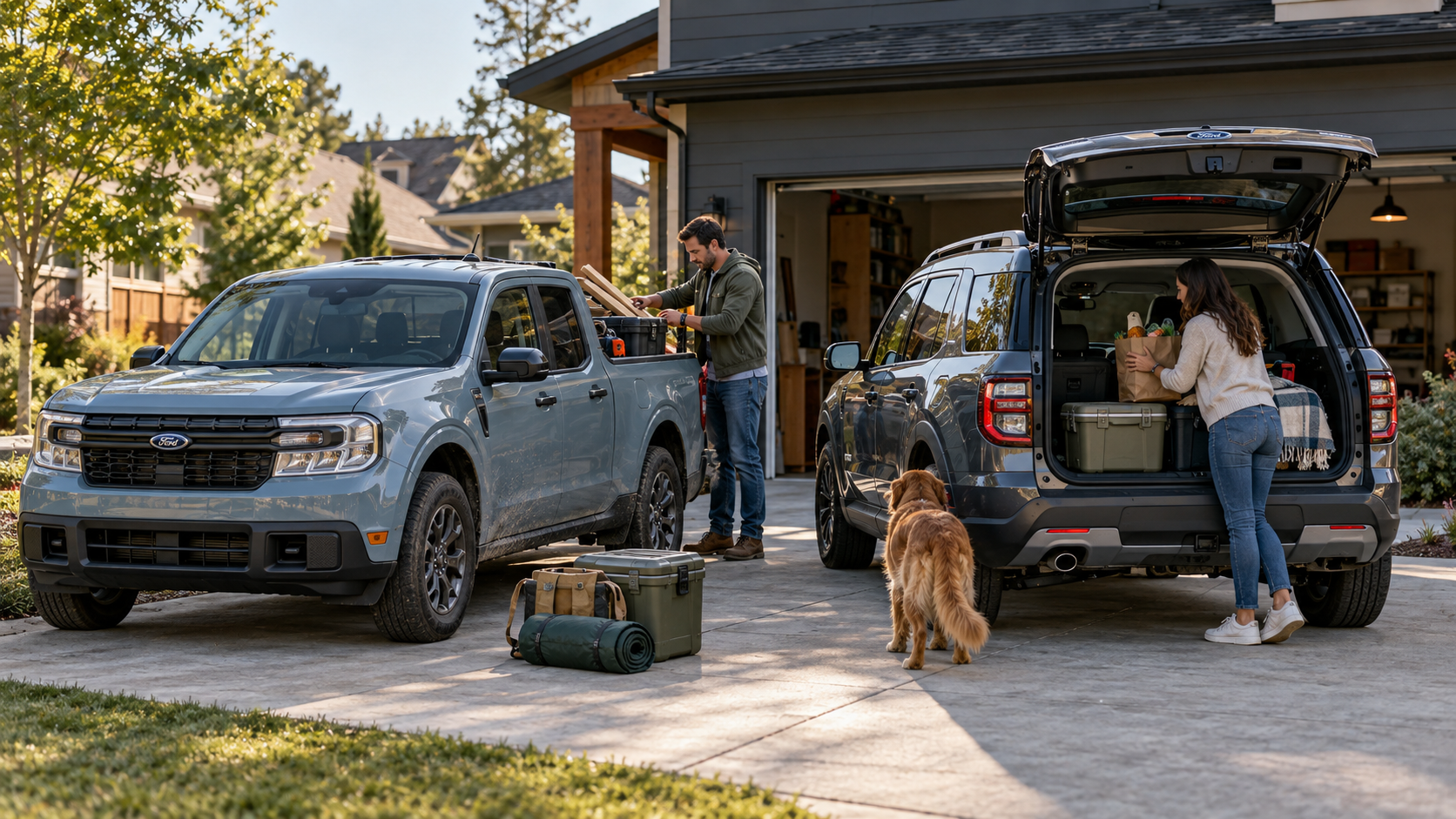
Ford vehicle models cover very different routines across Tullahoma, from weekday commuting to family trips and weekend hauling. Your normal week gives the clearest starting point when choosing between a truck and an SUV. However, size alone does not tell you how easily a vehicle will fit your routine. Additionally, passenger count, cargo type, parking space, and trailer frequency all deserve attention. Therefore, the strongest match starts with the tasks you repeat most. What Does Your Ford Need to Handle Each Week? Think through the trips you make from Monday through Sunday. Do you commute alone, carry children, move tools, or load sports gear? The answer defines which layout deserves closer attention. Additionally, note how much space you use during the busiest part of your week. Still, a rare home project should carry less weight than five days of commuting. Moreover, parking deserves the same review. A shorter vehicle can require less room in crowded lots or tighter driveways. However, a longer truck can provide bed space that removes the need for a trailer. That trade matters when large items show up in your routine. Beyond that, weather, road surface, and trip length also shape the choice. Ford vehicle models span compact pickups, midsize trucks, full size trucks, and several SUV sizes. Therefore, you can compare body style and size separately. That approach keeps one appealing feature from controlling the entire decision. Before visiting the dealership, write down the tasks you handle every week. Count how many trips include more than two passengers, since seating demand can quickly narrow the field. Note how many loads need an open bed, since dirty or tall cargo changes the storage question. Record how many towing days occur each month, since regular trailer use can shift attention toward a pickup. With that in mind, the goal is simple. Choose the layout that serves the greatest share of your normal driving. When a Ford SUV Fits the Daily Routine A Ford SUV makes sense when passengers and enclosed storage lead most trips. The cabin keeps people and cargo within one protected space. Because that layout centers everything inside, loading groceries, luggage, strollers, or sports gear stays straightforward. In addition, rear seats can support changing passenger needs without giving up a separate cargo area. Do you carry people more frequently than lumber, tools, or large outdoor equipment? If yes, an SUV deserves a close look first. The Bronco Sport offers a smaller footprint with two rows and useful rear cargo room. At the same time, the Explorer adds three row seating for households that need more passenger space. The Expedition moves farther up in size for larger groups and heavier travel demands. Therefore, each model answers a different version of the same daily question. Bronco Sport can suit drivers who want easier urban placement and useful cargo access. Explorer gives growing households more seating without moving into the largest Ford SUV. Moreover, Expedition offers much more room for families who regularly fill several rows. Cargo shape matters as much as cargo volume. Soft bags, groceries, electronics, and pet supplies fit naturally behind an SUV liftgate. However, dirty yard material or tall equipment can be harder to carry inside. Therefore, an SUV fits best when most cargo belongs inside the cabin. Ford vehicle models in the SUV range also vary widely in length and seating. That range lets you avoid choosing more vehicle than your week requires. When a Ford Truck Fits the Daily Routine A Ford truck earns its place when bed access or trailer work appears regularly. The open bed separates dirty, tall, or bulky cargo from the passenger cabin. Because of that layout, home projects, tools, landscaping supplies, and bikes can be easier to load. Regular towing can also make a pickup the more suitable starting point. How many times each month would you use the bed? That question matters more than simply liking the idea of a truck. If the bed gets used every weekend, its value becomes easy to justify. However, if it stays empty for months, another body style may fit the week more closely. Ford vehicle models also cover several pickup sizes. Maverick gives you a compact truck layout with a shorter overall footprint than larger pickups. Ranger moves into midsize truck territory with greater bed and trailer focus. F-150 adds full size dimensions for drivers who need more towing or hauling strength. Consequently, that size ladder deserves careful thought. Larger dimensions can give you more room for work, trailers, and cargo. By contrast, they can also require more parking space and wider turning areas. Therefore, compare the largest task you face with how regularly that task occurs. A useful truck decision should answer three questions before you commit. Will the bed carry cargo every week, or only a few times each year? Will trailer use occur regularly enough to justify choosing around towing needs? Will the truck fit your driveway, workplace parking, and common routes without creating daily friction? For this reason, the right pickup size should match repeated tasks first. Occasional demands can come second. Why the Maverick Changes the Truck and SUV Decision The Maverick sits between common ideas of a pickup and a compact daily vehicle. Its smaller footprint makes the truck question more nuanced. Additionally, its unibody construction separates it from traditional body on frame pickups. That structure joins the body and underlying frame into one unit. Why does that matter for a daily driver? The construction supports a compact package that can feel familiar to drivers moving from crossovers. However, the Maverick still provides an open bed for cargo that does not belong inside. Therefore, it gives some drivers a middle path between SUV storage and larger pickup dimensions. For this reason, a Tullahoma commuter might rarely tow but still carry home project supplies on weekends. Another driver may want a bed for bikes, garden materials, or camping gear. In both cases, the Maverick can answer needs that sit between two larger categories. The Bronco Sport creates a useful comparison from the SUV side. It keeps cargo inside and provides two row seating in a compact format. By contrast, Maverick moves part of the cargo role outside the cabin. That difference changes how each vehicle handles messy loads, tall items, groceries, pets, and passenger gear. Ford vehicle models do not force every shopper into a simple truck or SUV box. Moreover, compact choices make the line between those categories less rigid. The better test is where your people and cargo need to go. Which Ford Model Matches Your Daily Routine? Start with frequency, then move to size. Your most repeated tasks should guide the first cut among Ford vehicle models. Therefore, a passenger heavy week points toward SUV layouts. A cargo heavy week with frequent bed use points more strongly toward a pickup. Next, compare the smallest model that handles those repeated needs. Bronco Sport may cover a two row household with moderate cargo demands. Explorer can support more passengers and longer family trips. Maverick can serve drivers who want truck bed access without full size dimensions. Ranger adds more truck presence, while F-150 serves larger towing and hauling demands. Still, the final decision should happen from the driver seat. Pay attention to visibility, turning space, seat access, cargo loading, and parking fit. In addition, visualize your busiest normal day instead of your rarest annual task. That perspective can expose whether extra size will serve you or simply travel empty. Moreover, a useful comparison also includes the people who ride with you. Children, older relatives, coworkers, or pets may change which doors and seats get used most. Consequently, passenger access can matter as much as cargo measurements. Ford vehicle models give Tullahoma drivers several ways to solve the same transportation problem. The strongest match is the one that fits your ordinary week with the fewest compromises. Visit Reddick Brown Ford to compare the shapes, seating layouts, and cargo formats in person. Then drive the finalists on roads that resemble the routes you use most.
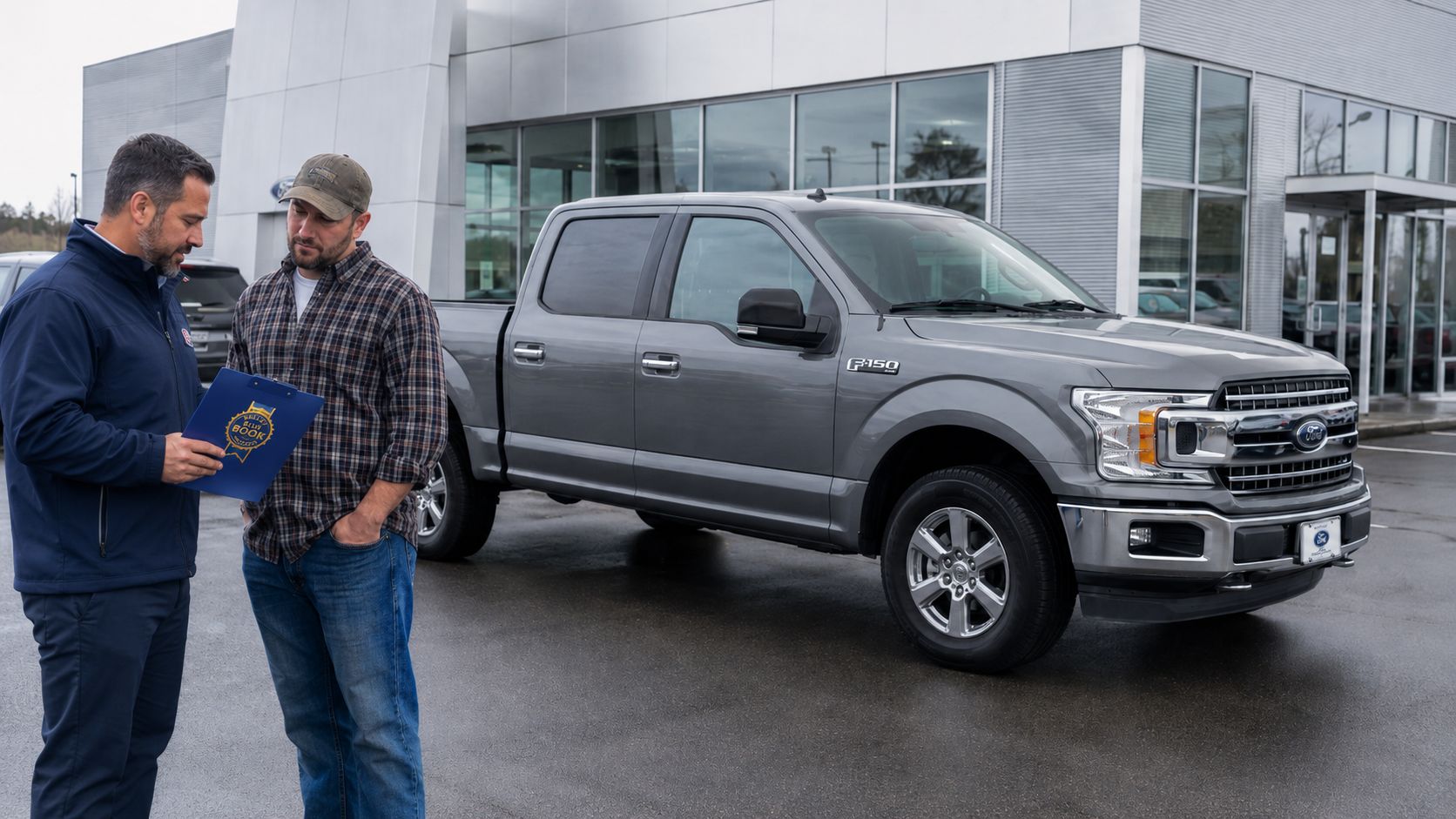
KBB Truck Worth Guide for Cookeville Ford Trade Values KBB truck worth estimates give Cookeville owners a useful starting point before a Ford truck appraisal. The estimate begins with details about the exact truck. Mileage, condition, trim, equipment, and local pricing all shape the range. Therefore, entering accurate information matters before you compare that estimate with an appraisal. KBB Truck Worth Starts With the Truck You Enter What information creates a KBB truck value? A KBB estimate uses truck details, reported condition, mileage, equipment, and market data to create a pricing range. The process starts with the year, make, model, and exact configuration. For a Ford F 150, that can include cab style, engine, drivetrain, bed length, and trim. In addition, factory equipment can place similar trucks into different pricing groups. Mileage enters the estimate because it shows how far the truck has traveled. However, mileage does not explain every part of its current state. A truck with careful service records may present differently from another truck with similar mileage and visible neglect. The entered condition rating matters too. Therefore, owners should choose the description that closely matches the truck they plan to trade. Overstating condition can create an estimate that feels disconnected from the later appraisal. Local data also enters the picture. KBB uses geographic pricing information when producing values. For this reason, Cookeville owners should treat national truck pricing as context, not a fixed local number. An online estimate works best as a starting range. It gives you a structured way to enter the truck before someone inspects it in person. How Much Do Mileage and Condition Matter? Mileage records distance traveled, while condition describes the truck's current physical and mechanical state. Both belong in the valuation discussion, but they answer different questions. High mileage can place a truck beside different comparable listings. However, age gives that mileage more context. A newer Ford truck with heavy annual mileage may enter a different pricing group from an older low mileage truck. Condition then adds another layer. Paint damage, dents, windshield chips, interior wear, tire life, and warning lights can all change appraisal findings. Therefore, condition should never be reduced to whether the truck looks clean from several feet away. Before an appraisal, owners should review several areas: Tire tread and matching tires can show how soon the next owner may need replacement. Body damage and glass damage can create repair work before the truck returns to market. Warning lights or mechanical concerns can lead to diagnostic work before resale. Service records can add useful context. In addition, records may show oil service, brake work, tire replacement, or other maintenance completed before the trade. Missing records do not define the truck by themselves, but documented care gives the appraiser more information. A clean interior also matters differently from major mechanical work. Therefore, owners should separate cosmetic cleanup from repairs that change the truck's sale preparation needs. How Trim and Factory Equipment Change the Value Range Can two Ford F 150 trucks from the same year carry different values? Trim, engine, drivetrain, cab, bed, and factory equipment place each truck into a specific configuration. An F 150 XL and an F 150 Lariat do not enter the used market as identical trucks. The same applies when two trucks use different engines or drivetrains. Therefore, the valuation should reflect the exact equipment installed at the factory. Cab style can change both passenger space and the group of comparable trucks used for pricing. Bed length can also separate one configuration from another. In addition, four wheel drive and two wheel drive models may carry different local pricing patterns. Factory packages deserve the same attention. Tow equipment, driver assistance features, upgraded seating, and technology packages can distinguish one Ford truck from another. However, aftermarket additions may not carry the same value as factory equipment. For this reason, owners should avoid entering only the model name. The more accurate the configuration, the more useful the estimate becomes. Ford truck prices can vary widely inside one model year. A detailed configuration keeps the valuation tied to trucks that more closely match yours. Why Cookeville Market Data Matters Why does location matter when valuing a truck? Local valuation data reflects pricing activity for similar trucks within a geographic market. Truck demand can differ from one region to another. Therefore, a pricing range built from local activity can differ from a broad national average. Cookeville area inventory also gives dealerships another reference when reviewing a trade. Recent local transactions matter because they show what similar trucks have sold for nearby. In addition, current listings show how much comparable inventory is already available. A crowded local segment can create a different pricing picture from a segment with fewer comparable trucks. Seasonal needs can also change which trucks receive more attention locally. However, one temporary pricing swing should not be treated as a permanent rule. For this reason, owners should expect local data to sit beside KBB values during an appraisal. The online estimate and the dealership review may use overlapping information without producing identical numbers. A Cookeville trade conversation becomes clearer when you know that geography is part of the pricing process. That local layer explains why one number should not be treated as universal. Why Can an Appraisal Differ From a KBB Estimate? A physical appraisal adds an in person inspection to the truck details and pricing data already available. It also lets the appraiser verify information that an online form cannot inspect. The appraiser can confirm mileage, trim, equipment, tire state, body damage, cabin wear, and visible mechanical concerns. Therefore, the in person review can reveal details that were missing from the original estimate. The appraisal may also consider current local resale needs. In addition, repair work, reconditioning, and existing inventory can shape the dealership's final trade figure. Before visiting, owners can prepare several items: Bring the truck's service records when available so the appraiser can review documented maintenance. Remove personal items so the cabin, storage areas, and bed can be inspected without obstruction. Know the current loan payoff if money is still owed, since payoff and truck value are separate figures. Cleaning the truck can make inspection easier, but detailing alone does not erase mechanical or body concerns. Therefore, focus on presenting the truck clearly and accurately. A KBB truck worth estimate gives you a useful reference before the visit. The appraisal then adds the truck's verified state and Cookeville market context. With both pieces available, you can discuss the trade value with a clearer picture. You can also see how the appraiser reached the number.
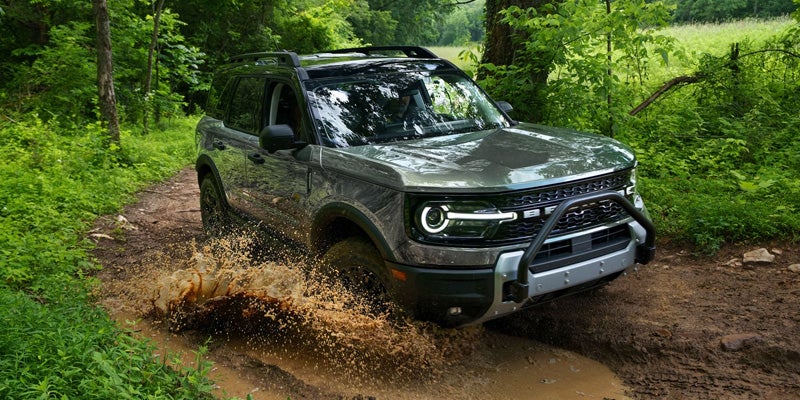
Choosing a Ford SUV for daily driving becomes easier once you understand what separates trail-built capability from everyday comfort, and where the two actually overlap. Many shoppers arrive at the lot drawn by the bold styling of the Bronco or the rugged stance of the Bronco Sport, and they leave questioning whether that capability comes at the cost of a smooth commute or practical family space. The Ford lineup answers that question differently depending on which model you sit behind. However, matching the right SUV to your real routine means looking past the exterior and understanding what the hardware actually does when you are driving Tennessee highways, rural two-lanes, or the occasional gravel trail. The Explorer, Bronco, Bronco Sport, and Expedition each serve a different kind of driver, and knowing the structural and functional differences helps you choose with confidence rather than compromise. What Rugged Capability Means Across the Ford SUV Lineup Rugged is not a single measurement. Across Ford's SUV family, capability spans a wide range from purpose-built off-road architecture to trail-styled daily drivers to family platforms with available off-road packages. Understanding where each model sits on that spectrum is the first step in deciding whether rugged capability is something you will use, something you want available occasionally, or simply a design preference that does not need to drive your purchase decision. The Ford Bronco sits at the most committed end of the range. Its body-on-frame construction, solid front axle on select trims, locking differentials, and G.O.A.T. mode system are purpose-built for demanding terrain. G.O.A.T. stands for Goes Over Any Type of Terrain, and the seven selectable drive modes adjust throttle response, traction control thresholds, and differential behavior for conditions ranging from sand to rock to mud. Trail Control is Ford's low-speed off-road cruise control, holding a set speed over rough ground so the driver can focus on steering input rather than throttle modulation. These are genuine mechanical systems, not appearance packages, and they reflect the engineering priorities of a vehicle designed first for the trail. That engineering orientation also shapes how the Bronco behaves every other day of the week. The Bronco Sport occupies a different position. Built on a unibody platform shared with the Escape, the Bronco Sport carries rugged exterior styling and genuine off-road credibility, but its architecture prioritizes everyday driving composure. The available off-road-tuned suspension, Mud and Ruts mode, and trail-specific traction management give it real trail usefulness beyond what most crossovers offer. Furthermore, the Big Bend, Outer Banks, Badlands, and Wildtrak trims each move the capability needle differently, letting you select how much hardware you actually need. The following overview maps where each Ford SUV lands across the capability spectrum: more Ford Bronco: body-on-frame construction with locking differentials, Trail Control, and G.O.A.T. modes tuned for committed off-road driving. It is the most capable daily driver in the lineup, though its trail-first architecture shapes its on-road personality. Ford Bronco Sport: unibody platform with available Badlands off-road suspension and terrain-specific drive modes. It is genuinely capable on light to moderate trails while delivering noticeably smoother pavement manners than the full Bronco. Ford Explorer Tremor: a family-oriented midsize platform with a factory suspension lift, all-terrain tires, a limited-slip rear differential, and trail-ready hardware. It is designed for shoppers who want real capability without leaving the family SUV footprint. How Platform Architecture Shapes Every Drive The single most consequential technical difference between the Bronco and the rest of the Ford SUV family is the platform beneath the body. That structural choice ripples through fuel economy, ride quality, highway composure, and noise levels in ways that matter every day, not just on trail days. Body-on-frame construction, which the Bronco uses, separates the body from the chassis through a rigid mounting system. This design excels at handling the lateral and vertical stress of off-road terrain, protects drivetrain components, and gives the Bronco a higher towing and payload tolerance relative to its size. On pavement, however, body-on-frame vehicles tend to transmit more road vibration and noise into the cabin, require more driver engagement at highway speeds, and return lower fuel economy figures because the heavier structure carries more curb weight. The Bronco's 2.3-liter EcoBoost base engine returns EPA estimates in the mid-20s combined. For someone commuting 30 to 40 miles daily on US-70 or TN-55, that translates to a real fuel cost difference over the ownership period. The Explorer, Bronco Sport, and Escape all use unibody construction, where the body and frame are integrated into a single structural unit. This approach reduces weight, lowers the vehicle's center of gravity, and smooths how road inputs travel through the suspension into the cabin. The result is noticeably quieter highway cruising, less steering correction needed at speed, and better fuel returns. The Explorer's 2.3-liter EcoBoost achieves up to 28 miles per gallon on the highway. The Bronco Sport's lighter footprint brings the base 1.5-liter EcoBoost up to a similar highway figure. For a driver who primarily navigates Morrison's surrounding two-lanes, runs errands in McMinnville, or commutes toward Sparta, that composure difference is felt on every trip. The available BlueCruise hands-free highway driving system on select Explorer trims adds another layer of long-road ease that the Bronco does not offer. None of this makes the body-on-frame Bronco a poor daily driver. It is far more composed on pavement than its off-road capability might suggest. However, the difference is real, and shoppers who prioritize quiet cabins, refined highway feel, and fuel efficiency will find the unibody alternatives more naturally suited to the majority of their driving. Seating and Cargo Structure Matched to How Your Household Actually Moves Seat count and cargo volume on a spec sheet are starting points, not conclusions. The way those numbers translate to real family loading, including car seats, strollers, sports equipment, groceries, and camping gear, depends on the configuration architecture, how rows fold, and what the second and third rows actually deliver for adult passengers rather than just seat count totals. The Ford Explorer 's three-row, seven-passenger architecture is the most broadly practical for growing families. Second-row width comfortably fits two car seats side by side, and third-row access uses a walk-in entry through the second row that is easier to manage than some competitors. Behind the third row, 16.3 cubic feet of cargo space handles a moderate grocery run or a couple of overnight bags. Fold the third row flat and that expands to 46 cubic feet, which is genuinely useful for sports equipment or weekend hauls. With both rows folded, 85.8 cubic feet opens the Explorer to cargo tasks well beyond what most families expect from a midsize SUV. The 2026 Tremor trim adds a sport-utility dimension to that family footprint through a factory suspension lift, all-terrain tires, and additional ground clearance, letting a family that also wants trail access find it in a single vehicle. The Ford Expedition scales that concept for larger households. Seating for up to eight across three rows, 20.9 cubic feet behind the third row, and a maximum 104.6 cubic feet with all rows folded covers the largest cargo demands in Ford's lineup. The Expedition Max extends the wheelbase for even greater third-row headroom and rear cargo volume, which is a meaningful choice for families whose camping trips or road trips require hauling volume that would otherwise mean pulling a trailer. Moreover, the Expedition's towing capacity reaches 9,600 pounds, which covers boats, camper trailers, and cargo setups common across Middle Tennessee's outdoor recreation culture. The Bronco Sport, by contrast, fits two rows and five passengers across a significantly shorter footprint. Its cargo area emphasizes smart storage over raw volume, with features like a hands-free tailgate, underfloor bins, and load-in hooks that make it practical for active-lifestyle gear without the size of a three-row platform. Ford Explorer cargo configuration: 16.3 cubic feet behind the third row, 46 cubic feet with the third row folded, and 85.8 cubic feet with both rows flat. This structure works well for families who need to switch between passenger and cargo modes regularly throughout the week. Ford Expedition and Expedition Max cargo configuration: up to 104.6 cubic feet of maximum volume with all rows folded, plus class-leading towing capacity up to 9,600 pounds. This suits families whose hauling needs go beyond the school-run-and-grocery-store routine. Ford Bronco Sport cargo layout: a two-row, five-passenger footprint with smart active-lifestyle storage solutions. It is practical for smaller households or drivers who want trail-ready versatility in a compact package rather than three-row family capacity. What Capability Looks Like When You Rarely Leave the Pavement One of the most underserved groups in the Ford SUV conversation is the shopper who genuinely wants capability available for the occasional gravel road, the camping trip twice a year, or the unexpected weather event, but whose daily reality is school carpool, highway commuting, and weekend errands. This buyer does not need the full Bronco hardware stack. However, they also do not want to find themselves under-equipped when the moment arrives. The 2026 Ford Explorer Tremor is built precisely for this buyer. On the platform level, it remains the family-first, unibody Explorer that parents already trust for everyday driving. The Tremor package layers factory hardware on top of that foundation: a suspension lift of 0.6 inches adds ground clearance, Goodyear Wrangler Territory all-terrain tires handle mixed surfaces without the rough road noise of extreme off-road rubber, a limited-slip rear differential manages traction on loose or slippery ground, and Trail Turn Assist improves low-speed maneuverability on narrow trails by braking the inside rear wheel into a tighter arc. The result is an Explorer that drives to school every day, seats seven, and still navigates the kind of terrain that Middle Tennessee's back roads and recreation areas occasionally demand, all without requiring the driver to manage a trail-specific vehicle on the way to work. The Bronco Sport Badlands trim serves a similar role for smaller households. Its available off-road suspension, rear hydraulic bump stops for aggressive terrain absorption, and Mud and Ruts drive mode provide more genuine trail hardware than any standard crossover. Because the Bronco Sport's footprint is compact, it also fits comfortably in standard parking structures and neighborhood streets where the full Bronco's width and turning radius can feel like more vehicle than the situation requires. For a driver who values rugged aesthetics and occasional capability without committing to dedicated off-road architecture, the Badlands trim offers a well-calibrated middle ground. Using Trim Logic to Right-Size Your Decision Trim levels across Ford's SUV lineup are not simply ascending lists of features. They reflect different intended use profiles. Understanding the hardware logic behind each tier helps you avoid paying for off-road capability you will not use, or conversely, under-speccing when you genuinely want it available. On the Bronco Sport, the Big Bend and Outer Banks trims address shoppers who want the rugged exterior and capable all-wheel drive system for occasional unpaved roads and light weather variety. The Badlands trim introduces serious off-road hardware, including the advanced 4WD system with Mud and Ruts mode, off-road-tuned suspension, and rear hydraulic bump stops, for shoppers who will genuinely take the vehicle onto graded gravel, forest service roads, or muddy campsite approaches. The Wildtrak sits between them in daily comfort orientation while adding exterior trail utility. A shopper who identifies capability as occasional and weather-event-driven will find Outer Banks the more balanced choice, while a shopper whose weekends regularly involve trails should start at Badlands. On the Explorer, the XLT and ST-Line trims address the core family SUV buyer focused on space, tech, and comfort. The ST trim's turbocharged 3.0-liter V6 producing 400 horsepower serves driving-experience-focused buyers who do not need off-road hardware but want power headroom on highway passes and merges. The 2026 Tremor trim serves the family buyer who also needs genuine capability without a separate vehicle. Trim selection here is also a question of technology priorities: BlueCruise, available on Platinum and ST trims, becomes meaningful for shoppers who log significant highway miles toward McMinnville or regularly drive the I-24 corridor. Furthermore, selecting the right trim for actual use avoids the common pattern of paying for Wildtrak or Badlands hardware on a Bronco Sport primarily used for school pickup and grocery runs, or over-speccing into Explorer ST horsepower when Tremor capability is the actual need. Every trim decision comes back to one honest question: what does your driving week actually look like? The Ford lineup at Reddick Brown Ford in Morrison is broad enough that the answer to that question has a clear match, without over-reaching into capability you will not use or under-speccing into comfort that leaves you short when it matters.